
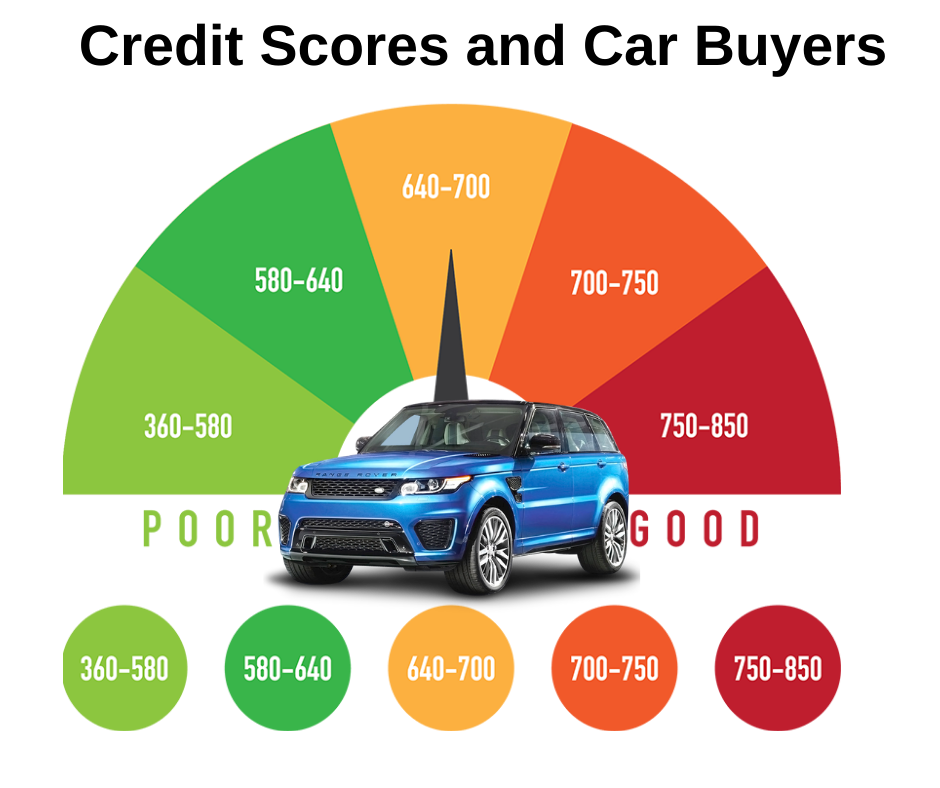
Buying a car is an important financial decision, and your credit score can make a significant difference in how much you pay over the life of an auto loan. Whether you are purchasing a new vehicle or a used car, lenders review your credit history to understand how likely you are to repay the borrowed amount. A stronger credit profile can help you qualify for lower interest rates, better loan terms, and more affordable monthly payments. Generally, a credit score of 670 or higher is considered a good starting point when applying for an auto loan in the United States. However, you do not necessarily need an excellent score to finance a vehicle. Some lenders work with borrowers who have fair or poor credit, although they may charge higher interest rates or require a larger down payment. Understanding the credit score ranges, lender requirements, and factors that influence auto loan approval can help you prepare before visiting a dealership. What Credit Score Do You Need to Buy a Car? There is no single minimum credit score required by every auto lender. Each financial institution has its own approval criteria, and the requirements may vary depending on the vehicle, loan amount, down payment, income, and repayment history. However, FICO credit score ranges provide a useful way to understand how lenders may evaluate your application. FICO Credit Score Credit Category General Auto Loan Outlook 300–579 Poor Financing may be difficult or expensive 580–669 Fair Some lenders may approve applications 670–739 Good More financing opportunities 740–799 Very Good Competitive loan offers may be available 800–850 Exceptional Strong position for favorable rates These categories are general FICO ranges, not guaranteed auto loan approval standards. Auto lenders may use specialized FICO Auto Scores or other scoring models that evaluate credit risk differently. A score of 670 or above can put you in a stronger position, but your complete financial profile still matters. What Is a Good Credit Score for a New Car? A credit score of 700 or higher can help you qualify for competitive financing when purchasing a new car. Borrowers with very good or exceptional credit may have access to lower interest rates, depending on the lender and current market conditions. New vehicles sometimes qualify for manufacturer-sponsored financing promotions. These offers may include reduced interest rates for eligible buyers, but they often require strong credit and may have additional restrictions. Why Credit Scores Matter for New Cars New cars can involve larger loan amounts because their purchase prices are often higher than those of used vehicles. Even a small difference in the interest rate can increase the total amount you pay over several years. For example, a borrower with excellent credit may receive a lower annual percentage rate than someone with fair credit. The difference can affect both monthly payments and total interest expenses. Before accepting financing, compare the annual percentage rate, loan term, fees, and total repayment amount rather than focusing only on the monthly payment. What Is a Good Credit Score for a Used Car? A credit score of around 670 or higher is generally a helpful target when financing a used vehicle. However, some lenders specialize in used car loans for borrowers with lower scores. Used car financing can be different from new car financing because lenders may consider the vehicle’s age, mileage, condition, and resale value. Factors That Affect Used Car Financing Some lenders may have restrictions on financing older vehicles or cars with high mileage. Therefore, checking eligibility before choosing a vehicle can prevent unnecessary applications. How Your Credit Score Affects Car Loan Interest Rates Your credit score can influence the interest rate a lender offers. In general, borrowers with stronger credit histories are more likely to qualify for lower rates, while borrowers with weaker credit may receive higher rates. The annual percentage rate, commonly called APR, represents the yearly cost of borrowing and can include certain loan-related fees. Consider a hypothetical example involving a $25,000 auto loan with a 60-month repayment period. Annual Interest Rate Approximate Monthly Payment Approximate Total Interest 5% $472 $3,307 8% $507 $5,329 12% $556 $8,369 These figures are illustrative estimates and assume a fixed interest rate with monthly payments. Actual offers depend on lender requirements, taxes, fees, and loan terms. The example shows why comparing interest rates is important. A higher rate can add thousands of dollars to the total cost of purchasing a vehicle. Can You Buy a Car With a 600 Credit Score? Yes, buying a car with a 600 credit score is possible. A score of 600 falls within the fair FICO category, and some auto lenders are willing to approve borrowers in this range. However, you may not receive the same interest rate or loan terms offered to applicants with stronger credit. What to Expect With a 600 Score You may face higher borrowing costs, a larger down payment requirement, or fewer financing choices. Some dealerships work with lenders that specialize in subprime auto financing, but these loans should be reviewed carefully. Before signing an agreement, check the APR, monthly payment, loan duration, additional fees, and total repayment amount. If the available offers are too expensive, improving your credit score before purchasing may help you qualify for better financing. Can You Get a Car Loan With Bad Credit? Getting an auto loan with bad credit can be challenging, but it is not impossible. Some lenders consider applicants with scores below 580. These financing options may come with higher interest rates, stricter conditions, or larger down payment requirements. Ways to Improve Your Chances of Approval Make a Larger Down Payment A larger down payment reduces the amount you need to borrow. It can also lower the lender’s risk and make your application more attractive. Consider a Less Expensive Vehicle Choosing an affordable vehicle can reduce your loan amount and monthly financial obligations. Avoid purchasing a car that stretches your budget. Apply With a Qualified Co-Signer A co-signer with a stronger credit profile may improve your chances of approval.