
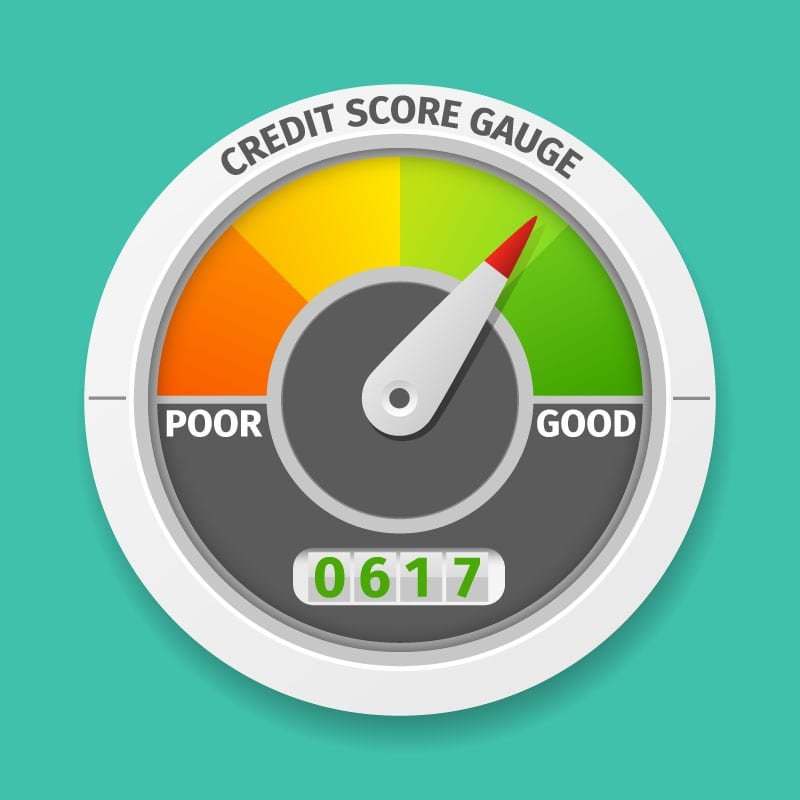
Having a good credit score can make it easier to qualify for credit cards, personal loans, mortgages, and auto financing. It may also help you receive lower interest rates and better borrowing terms. However, if your credit score is low or you have recently experienced a decrease, improving it can feel confusing. Many people want to know which financial habits matter most and how long it takes to see meaningful progress.
If you are wondering how to raise my credit score, the best approach is to focus on the factors that influence credit scoring, including payment history, credit utilization, account age, and new credit applications. You do not need to open several credit cards or take out unnecessary loans to improve your score. Consistent payments, lower balances, and accurate credit reporting can make a meaningful difference over time.
Understanding What Affects Your Credit Score
Before trying to improve your credit score, it is important to understand how credit scoring works. In the United States, FICO and VantageScore are two widely used credit scoring models. Most standard FICO scores range from 300 to 850.
A typical FICO score considers five major factors:
| Credit Factor | General FICO Weight |
| Payment history | 35% |
| Amounts owed and utilization | 30% |
| Length of credit history | 15% |
| New credit | 10% |
| Credit mix | 10% |
These percentages are general guidelines for many FICO models. Other scoring models may calculate scores differently.
Payment history and amounts owed have the greatest influence on many FICO scores. Therefore, paying bills on time and managing outstanding balances are two of the most useful starting points when rebuilding credit.
10 Effective Ways to Raise Your Credit Score
Improving your credit score requires consistent financial habits. The following strategies can help you strengthen your credit profile without taking unnecessary financial risks.
1. Pay All Your Bills on Time
Payment history is the most influential factor in many FICO credit scoring models. Even one reported late payment can negatively affect your credit score, particularly if you previously had a strong payment record.
Make sure you pay your credit cards, auto loans, personal loans, and other reported credit obligations by their due dates.
You can make this easier by:
- Setting up automatic minimum payments.
- Using calendar reminders.
- Reviewing payment due dates every month.
- Keeping enough money in your checking account.
- Paying bills several days before their deadlines.
If you cannot afford to pay the full balance, making at least the required minimum payment on time can help you avoid a reported late payment.
2. Reduce Your Credit Card Balances
Credit utilization measures how much of your available revolving credit you are using. It is an important factor in many credit scoring models.
For example, if your credit card limit is $5,000 and your reported balance is $2,500, your utilization ratio is 50%.
A high utilization ratio can negatively affect your score, even if you make every payment on time.
To manage utilization more effectively:
- Pay down outstanding credit card balances.
- Avoid using your entire available credit limit.
- Spread necessary purchases across accounts carefully.
- Monitor reported balances before statement closing dates.
- Avoid unnecessary credit card spending.
Many consumers aim to keep utilization below 30%, although lower utilization may be better for many scoring models. You do not need to carry a balance or pay interest to build credit.
3. Check Your Credit Reports for Errors
Incorrect information on your credit report can make it harder to maintain a healthy credit score.
Your credit reports may contain inaccurate balances, incorrectly reported late payments, duplicate accounts, or unfamiliar credit inquiries.
Request your reports from Equifax, Experian, and TransUnion through AnnualCreditReport.com, the federally authorized website for free credit reports in the United States.
Look for:
- Incorrect payment history.
- Accounts you do not recognize.
- Wrong credit card balances.
- Duplicate collection accounts.
- Incorrect account opening dates.
- Unauthorized hard inquiries.
If you identify an error, submit a dispute to the relevant credit bureau and the company that provided the information. Include supporting documents whenever possible.
Correcting inaccurate information may help improve your credit profile if the error was negatively affecting your score.
4. Avoid Applying for Too Many Credit Cards
Every time you apply for a new credit card or loan, the lender may perform a hard credit inquiry.
A hard inquiry can temporarily lower your credit score. One inquiry generally has a small impact, but multiple applications within a short period may create additional concerns.
Before applying for new credit, compare eligibility requirements, fees, interest rates, and benefits.
If available, use prequalification tools that rely on soft inquiries to check potential eligibility without affecting your score. Remember that prequalification does not guarantee final approval.
5. Keep Older Credit Accounts Open When Appropriate
The length of your credit history can influence your credit score. Older accounts may contribute to a longer credit history, which can be beneficial.
Closing an older credit card may also reduce your total available revolving credit and increase your utilization ratio if you have balances on other cards.
However, keeping every account open is not always necessary. If a card has expensive fees, security concerns, or other disadvantages, consider whether keeping it is worthwhile.
Make account decisions based on the complete financial picture rather than credit score concerns alone.
6. Consider a Secured Credit Card
A secured credit card can be useful if you have a poor credit history or limited borrowing experience.
Unlike an ordinary unsecured card, a secured card generally requires a refundable security deposit. The deposit often determines your initial credit limit.
For example, if you provide a $300 deposit, the issuer may offer a $300 credit limit.
Using the card responsibly may help you build positive payment history when the issuer reports account activity to the major credit bureaus.
Before applying, check whether the issuer reports to Equifax, Experian, and TransUnion and review the annual fee, deposit requirements, and interest rate.
7. Become an Authorized User
Some credit card issuers allow an existing cardholder to add another person as an authorized user.
If the primary cardholder has a long history of on-time payments and responsible credit utilization, the account may help the authorized user establish a stronger credit profile.
However, the effect depends on the issuer’s reporting practices and the scoring model.
Before becoming an authorized user, consider these points:
- Choose someone with responsible credit habits.
- Confirm that the issuer reports authorized users to credit bureaus.
- Avoid accounts with high balances or missed payments.
- Understand whether you are responsible for any purchases you make.
You do not necessarily need to use the card to benefit from an eligible reported account.
8. Pay Down Existing Debt Strategically
Outstanding debt can affect your credit score and overall financial stability.
If you have multiple credit card balances, create a repayment plan that fits your budget.
Two common methods include:
Debt Snowball Method: Focus on paying off the smallest balance first while making minimum payments on other accounts. This approach can provide motivation as you eliminate individual debts.
Debt Avalanche Method: Focus on the account with the highest interest rate first while making minimum payments on the others. This approach can reduce the total interest you pay over time.
Both methods can help you reduce debt. Choose the strategy that you can follow consistently.
9. Limit Unnecessary Credit Inquiries
Hard inquiries generally occur when lenders review your credit after certain applications. Although one inquiry usually has a limited effect, several unnecessary inquiries can create additional score fluctuations.
Before applying for a loan or credit card, research the lender’s requirements and check whether you are likely to qualify.
When comparing eligible mortgage, auto, or student loan offers, complete rate shopping within the applicable period. Depending on the scoring model, qualifying inquiries made within a specified shopping window may be treated as one for scoring purposes.
10. Monitor Your Credit Score Regularly
Regular credit monitoring helps you understand how your financial decisions influence your score.
You can check your score through participating banks, credit card issuers, and reputable credit monitoring services.
Reviewing your own credit score generally creates a soft inquiry, which does not lower your score.
Monitoring can help you identify:
- Unexpected score decreases.
- New credit inquiries.
- Unfamiliar accounts.
- Changes in credit card balances.
- Incorrect payment information.
- Possible identity theft.
Checking your credit information periodically allows you to respond to problems before they become more serious.
How Long Does It Take to Raise Your Credit Score?
There is no fixed timeline for improving a credit score. The time required depends on your starting score, credit history, outstanding debt, and the reason your score is low.
Some consumers may notice changes within one or two reporting cycles after reducing credit card balances. Others may need several months of consistent payments to establish a stronger record.
Here is a general overview:
| Action | Possible Time to See Changes |
| Paying down credit card balances | After updated balances are reported |
| Correcting credit report errors | After investigation and reporting updates |
| Establishing on-time payments | Several months or longer |
| Reducing high credit utilization | Often after the next reporting update |
| Recovering from late payments | May take months or years |
| Building a longer credit history | Requires ongoing account age |
These are general expectations rather than guaranteed timelines. Creditors have different reporting schedules, and scoring models respond differently to changes.
How to Raise Your Credit Score Fast
If you want to improve your score as efficiently as possible, start with actions that address the biggest problems in your credit profile.
Pay Down High Credit Card Balances: Reducing high utilization may help once the lower balances are reported to the credit bureaus.
Bring Past-Due Accounts Current: Contact lenders if you have missed payments and ask about available repayment arrangements. Bringing an account current can prevent further late-payment reporting, although accurate previous late payments may remain on your report.
Dispute Incorrect Information: If your report contains errors, submit disputes with supporting documents. Correcting inaccurate negative information may help your score.
Avoid New Credit Applications: Unnecessary applications can create hard inquiries and increase your outstanding debt.
Set Up Automatic Payments: Automatic minimum payments or reminders can help prevent future missed due dates.
Be cautious of companies promising to increase your credit score by 100 points overnight. Accurate negative information cannot simply be removed because you want a higher score.
Common Mistakes That Can Prevent Credit Score Improvement
Even when people try to improve their credit, certain habits can slow their progress.
Carrying a Balance to Build Credit: You do not need to pay interest or carry an unpaid credit card balance to establish positive credit history.
Closing Multiple Credit Cards: Closing accounts may reduce available credit and increase utilization if other cards have outstanding balances.
Missing Small Payments: Even a relatively small unpaid credit obligation can create problems if it becomes seriously overdue and is reported.
Applying for Several Loans: Multiple applications may generate additional hard inquiries and make managing new debt more difficult.
Ignoring Credit Reports: Failing to review your reports can allow inaccurate information or unauthorized accounts to remain unnoticed.
Paying for Unnecessary Credit Repair Services: Many credit report errors can be disputed directly with the credit bureaus without paying a company to do it for you.
Can You Raise Your Credit Score Without Getting a New Credit Card?
Yes. You do not need to open a new credit card to improve your credit score.
If you already have active credit accounts, focus on paying them on time, reducing outstanding balances, and keeping your credit history accurate.
You can also review your credit reports for errors and avoid unnecessary loan applications.
For consumers who have little or no credit history, a secured credit card or credit-builder loan may be useful. However, taking on new credit is not necessary if your existing accounts already provide opportunities to establish responsible payment history.
Conclusion
Raising your credit score requires consistent financial habits rather than quick fixes. Start by paying every bill on time, reducing credit card balances, reviewing your credit reports, and avoiding unnecessary credit applications. If you have limited credit history, a secured credit card or authorized user account may provide additional opportunities to establish positive payment activity. Remember that credit improvement takes time, and the results depend on your individual financial situation. By understanding the factors that influence your score and making responsible decisions every month, you can gradually build a stronger credit profile and improve your chances of qualifying for better financial products.
Frequently Asked Questions
1. How can I raise my credit score quickly?
Start by reducing high credit card balances, paying all bills on time, and correcting inaccurate information on your credit reports. These actions may help improve your score as creditors update their records.
2. Can I raise my credit score by 100 points?
Yes, some people can improve their scores by 100 points, particularly when correcting serious credit report errors, reducing high utilization, or rebuilding a damaged payment history. However, the timeline depends on individual circumstances.
3. How long does it take to improve a poor credit score?
Some improvements may appear within a few months, while rebuilding a seriously damaged credit history can take much longer. Consistent payments and responsible credit use are important throughout the process.
4. Does paying off credit card debt increase your credit score?
Paying down credit card debt can reduce your credit utilization ratio, which may help improve your score. The change generally becomes visible after the creditor reports the updated balance.
5. Can checking my credit score lower it?
No. Checking your own credit score through a service that uses a soft inquiry does not lower it. You can monitor your credit regularly without affecting your score.
| Read More: What’s a Good Credit Score to Buy a Car? |