

Open any investing group chat in the week before an issue and you’ll see the same pattern. Someone posts the IPO GMP, someone else writes “listing gain confirmed,” and the application goes in. Ask what the company actually sells, and the chat goes quiet. Interest in new issues is high. Indian companies raised a record ₹40,355 crore through 32 mainboard IPOs in September 2026, according to SEBI. With that many issues, primary market investments pull in plenty of first-timers, and grey market numbers travel much faster than prospectuses do. [Author: add two or three lines of your own here, such as an IPO you applied to because of the GMP, or a listing that went the other way. Delete this note before publishing.] So here’s what IPO Grey Market Premium means, how to use it sensibly, and where it misleads. What is IPO Grey Market Premium (GMP)? IPO GMP meaning, in one line: it’s the unofficial price gap between an IPO’s issue price and what its shares trade for in the grey market before they list. A positive premium suggests traders expect a listing above the issue price. A negative one, called a discount, suggests the opposite. The grey market in IPO dealings is an informal network of dealers and brokers. There’s no exchange, no clearing house and no official record, and it isn’t regulated by SEBI. Deals run on trust between parties. That’s why I’d treat it as a source of information about IPO market sentiment and not as a place for ordinary investors to trade. Don’t confuse GMP with the issue price. The issue price is fixed within the IPO price band by the company and its bankers. GMP is simply what some traders guess the shares will fetch on day one. Investors watch it because it’s a quick read on how demand feels, even though it says nothing about whether the company deserves your money. How does IPO GMP work? How IPO GMP works comes down to informal demand and supply. If many traders want shares of a particular IPO before listing and few are willing to sell, the premium rises. If enthusiasm fades, it falls. Nothing official anchors the number, so it can move within hours. Two terms come up in grey market trading. The Kostak rate is a fixed amount a dealer pays an applicant for the IPO application itself, whether or not allotment happens. Subject to Sauda is a deal where the premium is payable only if the applicant is allotted shares. You’ll see both quoted on tracking sites, but you don’t need to deal in either to use GMP as a signal. During an issue, the premium usually responds to a handful of things: news about the company, how other IPOs listed recently, the mood in the stock market, and how subscription is going. A strong first day of bidding can lift it. A bad market day can crush it. That swinging is exactly why a single number on Monday means little by Friday. How to calculate IPO GMP and expected listing price The maths is simple. Expected IPO listing price equals the issue price plus the GMP. The percentage is GMP divided by the issue price. Here’s a hypothetical example. An IPO has an upper price band of ₹250 and a latest IPO GMP of ₹50. The expected listing price is ₹300, or 20% above the issue price. If one lot is 60 shares, the lot costs ₹15,000, and the notional gain is ₹3,000. Now suppose the premium fades to ₹15 by listing day. The estimated price drops to ₹265, a 6% gain, or ₹900 per lot, and that’s before brokerage and taxes. If it turned negative, you’d be looking at a loss. That’s the catch. Calculated listing prices are estimates built on an unofficial number. Real IPO listing gains depend on what happens on the exchange on listing day, not what dealers guessed a week earlier. Factors that influence IPO grey market premium Company fundamentals matter. A profitable business with healthy margins and low debt tends to attract steadier interest than a loss-making one. IPO valuation matters too. A company priced aggressively against listed peers can see its premium shrink as people do the arithmetic. Subscription demand shapes sentiment. Heavy early bidding lifts premiums, and weak bidding drags them down. Industry outlook adds colour, since a fashionable sector can lift all its issues together. The wider stock market counts as well. IPOs in a rising market often see higher premiums, and the same issue in a falling one may see none. Finally, retail investor participation pushes numbers around. When lots of small investors pile in, premiums can overshoot. That can look like confirmation, though it’s often just crowd behaviour. IPO GMP vs IPO subscription status These two get mixed up, and they shouldn’t be. IPO subscription status is published by the exchanges during the issue and shows how many times the shares offered have been bid for, broken down by category. Qualified institutional buyers (QIBs) are large funds that do their own research. Non-institutional investors (NIIs) are wealthy individuals and companies. Retail investors bid up to ₹2 lakh. Strong QIB demand is generally a more telling sign than a heavily oversubscribed retail category, because institutions have studied the numbers. GMP, in contrast, is unofficial and set by a small group of dealers. The two can disagree. You can have a high premium with institutions sitting on their hands, or heavy subscription and a modest premium. When they point in different directions, that’s a prompt for more research, not a reason to pick the one you like. Neither replaces your own analysis. Mainboard IPO GMP vs SME IPO GMP A mainboard IPO lists on the NSE or BSE main platforms and is usually a larger, older business that meets stricter eligibility rules. An SME IPO lists on a smaller platform such as NSE Emerge or BSE SME. On the GMP side, the differences are practical. Mainboard issues are bigger, so more
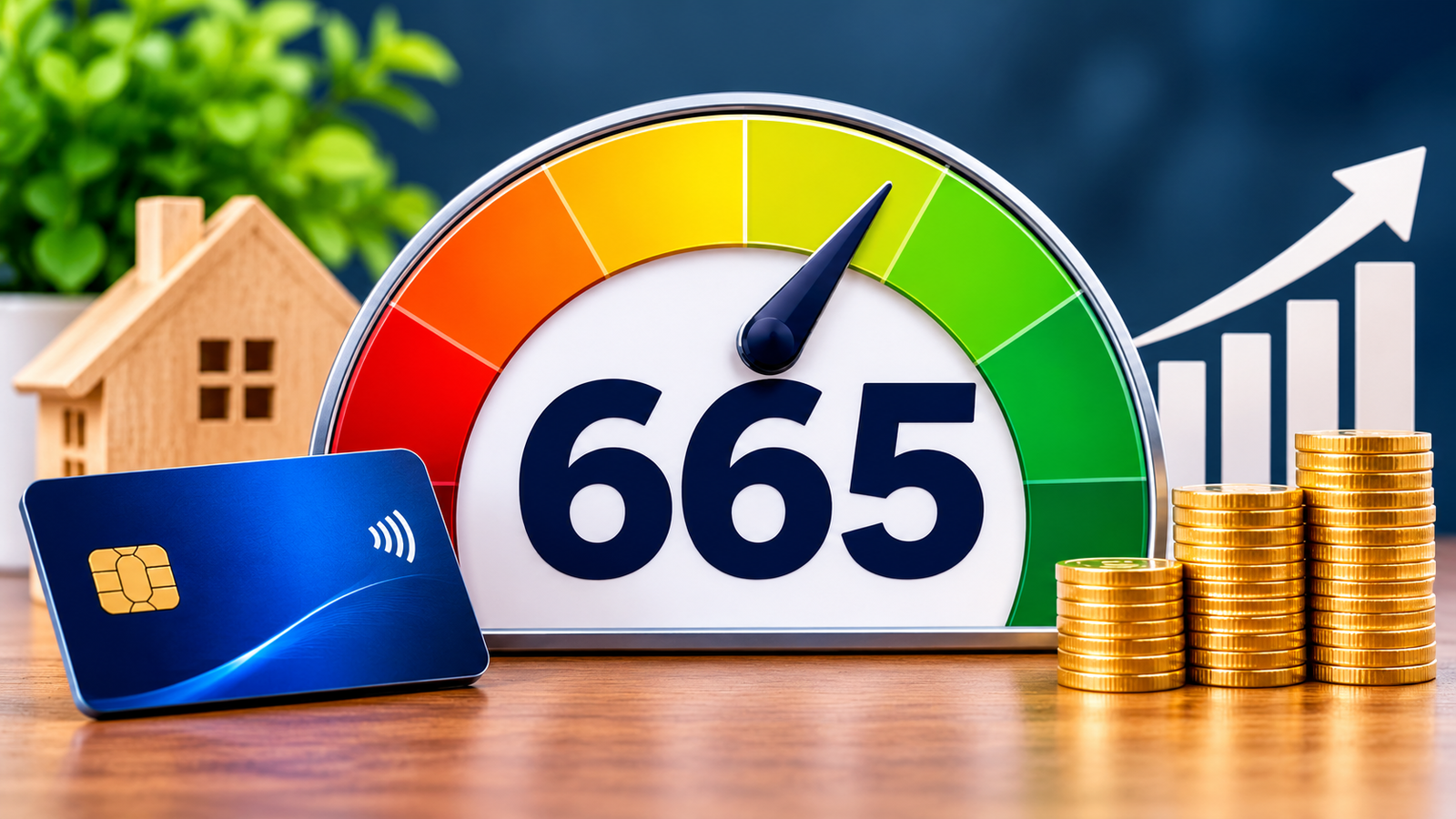
665 Credit Score: Is It Good or Bad?
A credit score plays an important role in your financial life, especially when you want to apply for a credit card, purchase a car, qualify for a mortgage, or borrow money through a personal loan. Lenders use credit scores to evaluate how responsibly you have managed credit in the past and estimate the risk of lending to you. If your current score is 665, you may be wondering whether it is good enough to qualify for financial products and competitive interest rates. A 665 credit score is considered fair under the standard FICO scoring model. It is close to the good credit category, which begins at 670, but it has not quite reached that level. This means you may qualify for certain credit cards and loans, although some lenders may charge higher interest rates or apply stricter approval requirements. The positive news is that 665 is only five points below the FICO good credit range. By managing your payments, reducing credit card balances, and reviewing your credit reports, you can work toward a stronger credit profile. Understanding what this score means and how lenders evaluate it can help you make better borrowing decisions. Is a 665 Credit Score Good? A 665 credit score is considered fair under FICO. Although it is not classified as good, it is within a range where many lenders may still consider applications for credit cards, auto loans, personal loans, and certain mortgage products. FICO scores generally range from 300 to 850. A higher score usually indicates lower credit risk, while a lower score may suggest that a borrower has experienced payment difficulties, high debt levels, or other credit-related challenges. Understanding FICO credit score ranges Here are the commonly used FICO credit score categories: FICO Credit Score Rating 300–579 Poor 580–669 Fair 670–739 Good 740–799 Very Good 800–850 Exceptional With a score of 665, you are near the top of the fair category. Reaching 670 would move you into the good range. What does 665 mean under VantageScore? VantageScore 3.0 and 4.0 use a different classification system, even though their scores generally range from 300 to 850. VantageScore Range Rating 300–499 Very Poor 500–600 Poor 601–660 Fair 661–780 Good or Prime 781–850 Excellent or Superprime This means a 665 score is classified as good under VantageScore but fair under FICO. The difference is important because lenders may use different scoring models when reviewing applications. How Does a 665 Credit Score Compare With the National Average? A 665 FICO score is below the average credit score in the United States. FICO reported an average U.S. credit score of 714 in its Fall 2026 Credit Insights report. This places a 665 score 49 points below the national average. However, being below average does not mean you cannot access credit. Many lenders consider applicants with fair credit, although the available products and borrowing costs may be less attractive than those offered to people with very good or exceptional credit. Why the national average matters The national average gives you a general idea of where your score stands compared with other consumers. It is not an approval requirement. For example, a lender may approve someone with a 665 score because they have stable income, manageable debt, and a reasonable payment history. Another lender may reject an applicant with a higher score because of excessive debt or other financial concerns. Your credit score is one part of your overall financial profile, not the only factor lenders evaluate. Can You Get a Credit Card With a 665 Credit Score? Yes, it is possible to get a credit card with a 665 credit score. However, your choices may be more limited than those available to consumers with good or very good credit. Some credit card issuers offer products designed for people with fair credit. These may include basic unsecured cards, secured credit cards, and selected cashback cards. Credit card options to consider With a 665 score, you may want to research the following options: Before applying, check the issuer’s eligibility guidelines and annual fees. Avoid submitting several applications at once because multiple hard inquiries may temporarily affect your credit score. How to improve your chances of approval Review your existing credit card balances and make sure your accounts are current. If you have high utilization, paying down your balances may strengthen your application. You can also look for prequalification options. These often use a soft inquiry to estimate your approval chances without affecting your traditional credit score, although a formal application may still require a hard inquiry. Can You Buy a House With a 665 Credit Score? Yes, buying a house with a 665 credit score may be possible. However, the mortgage programs available to you and the interest rate you receive will depend on your complete financial situation. Some mortgage lenders accept borrowers with fair credit, but their requirements may vary. Your income, debt-to-income ratio, down payment, employment history, and property details can all influence the decision. Conventional mortgage loans Conventional mortgages are offered by private lenders and generally follow guidelines established by Fannie Mae and Freddie Mac. A 665 score may meet the minimum credit score requirement for certain conventional mortgage programs. However, lenders can apply additional requirements, and a higher score may help you qualify for more favorable pricing. You should compare offers from multiple lenders to understand which programs are available based on your financial profile. FHA mortgage loans FHA loans are backed by the Federal Housing Administration and are designed to make homeownership more accessible to eligible borrowers. Under standard FHA guidelines: A 665 score is above the commonly cited FHA minimum thresholds. However, individual lenders may have stricter requirements, and meeting a minimum score does not guarantee approval. How to strengthen your mortgage application If you are planning to purchase a home, consider reducing outstanding debt before applying. A lower debt-to-income ratio can make your financial profile more attractive. You should also avoid opening unnecessary credit accounts before submitting a mortgage application. Maintain on-time payments, save
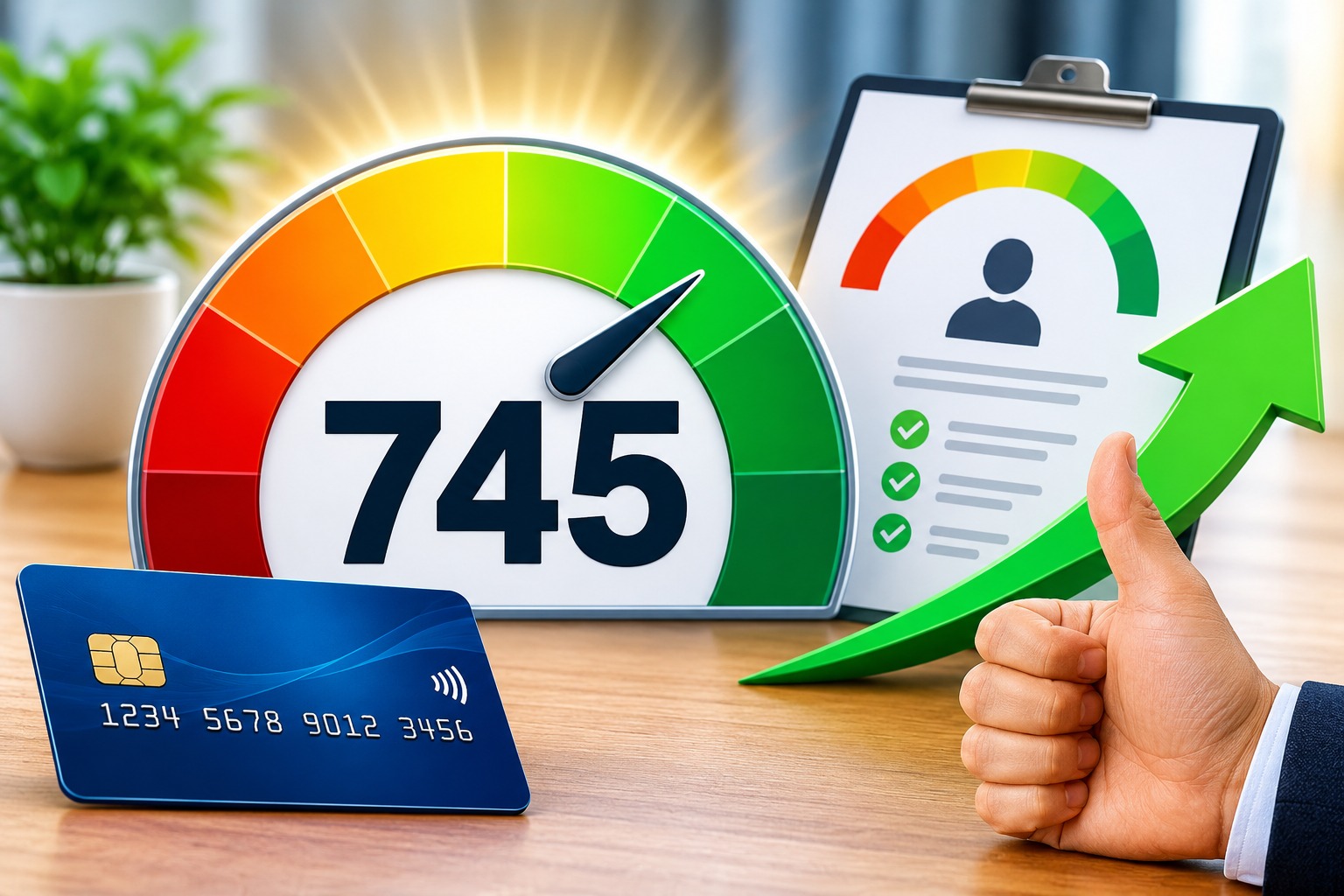
745 Credit Score: Is It Good? What It Means for Loans, Credit Cards, and Financial Opportunities
A credit score can make a significant difference when you apply for a credit card, personal loan, auto loan, or mortgage. Lenders use this number to evaluate your credit history and estimate how responsibly you manage borrowed money. If your current score is 745, you may be wondering whether it is high enough to qualify for competitive interest rates and attractive financial products. A 745 credit score is considered very good under the standard FICO scoring model. It falls within the 740–799 range, placing you above the good credit category and close to the exceptional range. This score suggests that you have demonstrated responsible credit management and may have access to a wider selection of financial products than borrowers with lower scores. However, your credit score is only one part of a lending decision. Income, existing debt, payment history, employment, and lender requirements can also affect approval and interest rates. Understanding what a 745 score means can help you make informed financial decisions and determine whether improving it further is worthwhile. Is 745 a Good Credit Score? Yes, a 745 credit score is very good under the FICO scoring model. FICO scores generally range from 300 to 850, and 745 is just five points above the beginning of the very good category. Lenders generally view applicants with scores in this range as relatively dependable borrowers. You may qualify for many credit cards, auto loans, personal loans, and mortgage products. You may also receive more competitive interest rate offers than someone with a fair or poor credit score. However, a 745 score does not guarantee approval or the lowest available rate. Financial institutions use different underwriting standards, and some may prefer applicants with higher scores for particular products. Understanding FICO credit score ranges The standard FICO scoring categories are: FICO Credit Score Rating 300–579 Poor 580–669 Fair 670–739 Good 740–799 Very Good 800–850 Exceptional At 745, you are comfortably within the very good category. You are also 55 points away from reaching the exceptional category, which begins at 800. What does 745 mean under VantageScore? VantageScore 3.0 and 4.0 also use a 300–850 scale, but their rating categories are different from FICO. VantageScore Range Rating 300–499 Very Poor 500–600 Poor 601–660 Fair 661–780 Good or Prime 781–850 Excellent or Superprime Under VantageScore, a score of 745 is classified as good or prime rather than excellent or superprime. Therefore, always check which scoring model produced your score before comparing it with published credit score categories. How Does a 745 Credit Score Compare With the National Average? A 745 FICO score is above the average credit score in the United States. Recent FICO reporting has placed the national average around 713–714, depending on the reporting period. This means someone with a 745 score is performing better than the average American consumer in terms of the general FICO scoring scale. Being above average can be encouraging, but it does not mean every lender will automatically approve your application. A lender may approve someone with a lower score because of a strong income and manageable debt, while an applicant with a higher score may face difficulties because of other financial concerns. Why your position above average matters A higher credit score can help demonstrate that you have managed credit responsibly. It may make you eligible for more financial products and help you negotiate better borrowing terms. For example, when comparing two applicants with similar incomes and debt obligations, the person with the stronger credit history may receive a more favorable loan offer. However, lenders can use different credit scoring models and bureau information. Your score may also change depending on the date it was calculated. Can You Get Approved for a Credit Card With a 745 Credit Score? Yes, a 745 credit score can make you a competitive applicant for many credit cards. Since it falls within the very good FICO category, you may qualify for cashback cards, travel rewards cards, general rewards products, and cards with introductory promotional offers. Some premium cards may also be available, although issuers can have additional requirements involving income, existing debt, and credit history. Credit card options you may consider With a 745 score, you can explore: Your actual eligibility depends on the card issuer’s policies and your complete financial profile. How to strengthen your credit card application Before applying, review your credit reports and check your existing balances. High credit utilization can affect your credit score and may influence the issuer’s decision. For example, if your total credit limit is $10,000 and your outstanding balances are $2,000, your utilization is 20%. Paying down balances may help keep utilization at a manageable level. Avoid applying for several cards within a short period. Multiple hard inquiries can temporarily affect your score and may make lenders cautious about extending additional credit. Can You Buy a House With a 745 Credit Score? Yes, a 745 FICO score can put you in a strong position when applying for a mortgage. It falls within the very good category and may help you qualify for competitive mortgage products. However, mortgage lenders evaluate more than your credit score. They typically review your income, debt-to-income ratio, employment history, down payment, property value, and the amount you want to borrow. Conventional mortgage loans Conventional loans are offered by private lenders and generally follow guidelines established by Fannie Mae and Freddie Mac. A 745 score may meet the credit requirements for many conventional mortgage products. It can also help you access competitive pricing, although the final offer depends on your loan-to-value ratio, down payment, debt obligations, and other details. FHA mortgage loans FHA loans are backed by the Federal Housing Administration and are designed to make homeownership more accessible to eligible borrowers. Under standard FHA guidelines, borrowers with qualifying scores of 580 or higher may be eligible for a down payment as low as 3.5%. Applicants with scores between 500 and 579 generally need a down payment of at least 10%. With a 745 score, you are above
500 Credit Score: What It Means and How to Improve It
A 500 credit score is considered a very poor credit score under the standard FICO scoring system. It indicates that your credit history may contain serious negative information, such as missed payments, accounts in collections, high credit card balances, or a previous bankruptcy. With a score this low, getting approved for credit cards, personal loans, auto loans, and mortgages can be challenging. Even when lenders approve an application, they may charge higher interest rates, require a security deposit, or offer less favorable terms. However, a 500 credit score does not mean your financial future is permanently damaged. Credit scores can improve when you build consistent payment habits, reduce outstanding debt, correct reporting errors, and manage credit responsibly. Understanding what this score means and which actions matter most can help you create a realistic plan to rebuild your credit. What Does a 500 Credit Score Mean? A 500 credit score falls within the poor category of the standard FICO scoring model. FICO scores generally range from 300 to 850, with higher numbers indicating lower credit risk to lenders. A score of 500 suggests that lenders may see you as a borrower who has a higher likelihood of missing future payments. This assessment is based on information in your credit reports, including your payment history, outstanding balances, account age, credit applications, and other credit-related activity. A low score can develop for several reasons. You might have missed multiple credit card payments, defaulted on a loan, accumulated significant debt, or experienced a bankruptcy or collection account. In some cases, a limited credit history combined with negative information can also contribute to a low score. It is important to remember that a credit score is not a complete picture of your financial situation. It does not directly measure your income, savings, employment status, or overall wealth. Instead, it summarizes information about how you have managed credit. Is 500 considered bad credit? Yes. Under the commonly used FICO score ranges, scores below 580 are considered poor. A 500 score is therefore well below the range most lenders prefer. It may limit your borrowing options, but some financial institutions offer products designed for people rebuilding their credit. Understanding the FICO Credit Score Ranges Knowing where 500 fits within the scoring system makes it easier to understand the work required to reach a stronger credit profile. FICO Score Range Credit Rating 300–579 Poor 580–669 Fair 670–739 Good 740–799 Very Good 800–850 Exceptional A score of 500 is in the poor category. Your first milestone should be reaching 580, which moves your score into the fair range. After that, you can work toward 670 and eventually higher categories. These ranges are general FICO guidelines. Other scoring models, including VantageScore, may use different category labels. A lender may also use a specific scoring model depending on the type of credit you are requesting. Can You Get Approved for a Loan With a 500 Credit Score? Getting approved with a 500 credit score is difficult, but it is not always impossible. Lenders consider more than your score when reviewing an application. They may examine your income, employment, existing debt, repayment history, down payment, and the amount you want to borrow. Different lenders also have different approval requirements. One institution may decline an application while another may consider it under different terms. Personal loans Traditional unsecured personal loans can be difficult to obtain with a 500 score. Many lenders prefer applicants with stronger credit histories because unsecured loans do not require collateral. Some lenders work with borrowers who have poor credit, but these loans may carry high interest rates, origination fees, and shorter repayment periods. Before accepting an offer, calculate the total repayment amount rather than focusing only on the monthly payment. Avoid lenders that guarantee approval without reviewing your financial situation or demand unusual upfront payments. Auto loans A 500 credit score can make financing a vehicle more expensive. Some dealerships and specialized auto lenders consider applications from borrowers with poor credit, but approval may require a larger down payment or proof of stable income. You may also receive a higher annual percentage rate than someone with good or excellent credit. This can significantly increase the total cost of a vehicle. Before applying, consider saving for a down payment, reducing existing debt, and comparing offers from multiple lenders. If possible, improving your score before purchasing a vehicle may help you qualify for better financing. Mortgage loans Buying a home with a 500 credit score is particularly challenging. Some government-backed mortgage programs have more flexible credit requirements than conventional loans, but eligibility depends on current program rules and lender standards. For FHA financing, borrowers with FICO scores of 580 or higher may qualify for the minimum down payment of 3.5%. Scores between 500 and 579 generally require a down payment of at least 10%, subject to other eligibility requirements and lender overlays. A lender can also evaluate your income, debt-to-income ratio, payment history, and overall financial stability. A 500 score does not guarantee mortgage approval, even if you meet a program’s minimum score requirement. Can You Get a Credit Card With a 500 Credit Score? Yes, certain credit cards may be available to people with a 500 credit score. However, traditional unsecured rewards cards and premium credit cards are generally harder to qualify for. A secured credit card is often a practical starting point. It requires a refundable security deposit that typically determines your credit limit. For example, a $300 deposit may provide a $300 credit limit, depending on the issuer. Using the card responsibly can help you establish a positive payment history if the issuer reports account activity to the major credit bureaus. Secured credit cards A secured card works similarly to a regular credit card. You make purchases, receive a monthly statement, and repay the amount you borrowed. The main difference is that the account is backed by a security deposit. Look for a card that reports payments to Equifax, Experian, and TransUnion. Also review its annual fee,

680 Credit Score: Is It Good, and What Can You Get With It?
A 680 credit score is considered good under the standard FICO scoring model. It puts you above the fair credit range and can help you qualify for various financial products, including credit cards, auto loans, personal loans, and mortgages. Although it may provide access to several borrowing opportunities, you might not receive the lowest interest rates or qualify for every premium financial product. If your credit score is 680, you may be wondering whether it is strong enough to purchase a car, buy a home, or apply for a new credit card. You might also want to know how much improvement is needed to reach 700, 720, or 740. Understanding what this score means can help you make better financial decisions and identify ways to strengthen your credit profile. Is a 680 Credit Score Good? Yes, a 680 credit score is considered good under the standard FICO scoring model. FICO scores generally range from 300 to 850, and a score of 680 falls within the good credit range of 670 to 739. This means you have moved beyond the fair credit category and entered a range that many lenders consider acceptable for a variety of financial products. You may have better borrowing opportunities than someone with a score below 670. However, 680 is still near the lower end of the good category. Some lenders may offer better interest rates and more favorable terms to borrowers with scores of 740 or higher. Understanding FICO credit score ranges Credit category FICO score range Poor 300–579 Fair 580–669 Good 670–739 Very Good 740–799 Exceptional 800–850 A 680 score is a positive milestone, but it is important to maintain healthy credit habits to prevent your score from falling back into the fair category. Credit score categories can also vary depending on the scoring model. For example, VantageScore 3.0 and 4.0 classify scores from 661 to 780 as good. Is a 680 Credit Score Above the Average U.S. Credit Score? No. A 680 FICO score is below the average U.S. FICO score. According to Experian’s 2025 credit data, the national average was 713. However, being below the national average does not mean your credit is poor. A 680 score still falls within the good FICO category, and many lenders may consider borrowers in this range for different types of financing. Your credit score is only one part of your financial profile. Lenders may also review your income, employment, existing debt, payment history, and recent credit applications. Instead of focusing only on the national average, work toward improving your own credit profile. Moving from 680 to 700 or 720 can strengthen your position when applying for new credit. What Does a 680 Credit Score Mean to Lenders? Your credit score helps lenders estimate how likely you are to repay borrowed money. It is calculated using information in your credit reports, including payment history, account balances, credit age, and recent credit activity. With a 680 score, many lenders may consider you an acceptable borrower. You may qualify for a variety of financial products, although your interest rates and borrowing limits will depend on the lender and your overall financial situation. Payment history: Your record of paying credit cards and loans on time is one of the most important parts of your credit profile. Consistent payments demonstrate responsible credit management. Credit utilization: This measures how much of your available revolving credit you are using. For example, if your combined credit limits are $8,000 and your outstanding balances are $2,400, your utilization is 30%. Length of credit history: Older accounts can demonstrate experience managing credit over time. Lenders and scoring models may consider the age of your oldest account, newest account, and average account age. Existing debt: Your current loans, credit card balances, and monthly obligations can affect your ability to qualify for additional borrowing. Mortgage lenders may calculate your debt-to-income ratio to understand how much of your income goes toward debt payments. Recent credit applications: Applying for multiple credit cards or loans within a short period can result in several hard inquiries. These inquiries may temporarily affect your credit score. A 680 score gives you a reasonable foundation, but lenders consider your complete financial situation rather than relying on one number. What Credit Cards Can You Get With a 680 Credit Score? A 680 credit score may help you qualify for several credit cards, particularly products designed for consumers with fair to good credit. You may find options offering cashback, rewards, balance transfers, and other benefits. However, not every credit card issuer has the same approval requirements. Some premium travel and rewards cards may prefer applicants with higher scores and stronger overall credit profiles. Cashback credit cards: These cards provide rewards on eligible purchases. Depending on the issuer, you may earn cashback on groceries, gas, dining, or everyday expenses. General rewards cards: Some cards provide points that can be redeemed for merchandise, travel, gift cards, or statement credits. Balance transfer cards: These cards may offer promotional interest rates on transferred balances. Before applying, review the promotional period, balance transfer fees, and regular APR. Credit-building cards: If you have a limited credit history or want to strengthen your payment record, certain cards may offer a useful way to manage revolving credit responsibly. Before applying, compare annual fees, interest rates, reward conditions, and other charges. Look for prequalification options when available, because some issuers use soft inquiries that generally do not affect your credit score. Can You Buy a Car With a 680 Credit Score? Yes, you may be able to buy a car with a 680 credit score. Many banks, credit unions, online lenders, and dealerships consider applicants in the good credit range. However, your interest rate may be higher than the rate offered to borrowers with very good or exceptional credit. The final loan terms depend on several factors, including your income, down payment, vehicle price, loan term, and existing debt. How to improve your auto loan application Start by comparing financing offers from multiple lenders. Getting

Is 750 a Good Credit Score? What It Means and How It Benefits You
A credit score plays an important role in your financial life, especially when you apply for credit cards, auto loans, personal loans, or a mortgage. Lenders use your credit score to evaluate how responsibly you have managed borrowed money and how likely you are to repay future debt. If your score is 750, you are already in a strong position compared with many other borrowers. But is 750 a good credit score, and what opportunities can you expect with this rating? Yes, a 750 credit score is generally considered very good under the FICO scoring model. It is higher than the average U.S. credit score and may help you qualify for competitive interest rates, attractive credit card offers, and favorable loan terms. However, approval is never guaranteed by a score alone. Lenders also consider your income, existing debt, payment history, employment, and the specific credit scoring model they use. Understanding what a 750 score means can help you make better borrowing decisions, protect your credit history, and work toward an even stronger financial profile. Understanding What a 750 Credit Score Means Most widely used consumer credit scores in the United States range from 300 to 850. A higher number generally indicates lower credit risk from a lender’s perspective. Under the standard FICO scoring categories, a score of 750 falls within the very good range. It indicates that you have demonstrated responsible credit management and are generally viewed as a dependable borrower. Here is how the common FICO credit score ranges are categorized: Credit Score FICO Rating 300–579 Poor 580–669 Fair 670–739 Good 740–799 Very Good 800–850 Exceptional A 750 score places you comfortably above the good-credit category. You do not necessarily need an exceptional score to access many competitive financial products. In fact, borrowers with very good credit often have access to a wide range of lending options. Your exact opportunities depend on the lender, the type of credit you want, and the information included in your credit report. Is 750 a Good Credit Score Compared With the National Average? Yes. A 750 credit score is higher than the average FICO score in the United States. FICO reported an average U.S. credit score of 714 in March 2026. This means a 750 score is 36 points above that average. It places you in a stronger position than the typical American consumer. Being above average can be helpful when applying for financial products. Lenders may view your credit profile more favorably because your score suggests a history of responsible borrowing. However, the national average is only a reference point. It does not determine whether you will qualify for a particular loan or receive a specific interest rate. Different lenders have different approval requirements, and some use industry-specific credit scores. A 750 score is a strong starting point, but maintaining a healthy overall financial profile is equally important. Benefits of Having a 750 Credit Score A strong credit score can create several financial opportunities. Although it does not guarantee approval, a 750 score may make it easier to access competitive products and borrowing terms. 1. Better Loan Approval Opportunities Many lenders consider applicants with very good credit to be lower-risk borrowers. A 750 score may improve your chances of qualifying for personal loans, auto financing, mortgages, and other credit products. However, lenders also review your debt-to-income ratio, income stability, outstanding balances, and recent credit applications. Even someone with a 750 score may be denied if other parts of their financial profile do not meet the lender’s requirements. 2. More Competitive Interest Rates Interest rates directly affect how much you pay when borrowing money. A higher credit score can help you qualify for lower rates compared with applicants who have weaker credit profiles. For example, two people may borrow the same amount for an auto loan but receive different interest rates because their credit histories are different. Over several years, even a small rate difference can create meaningful savings. With a 750 score, you may be eligible for attractive offers, although the lowest available rate is not guaranteed. 3. Access to Attractive Credit Card Offers Credit card companies often consider credit scores when evaluating applications. A 750 score may help you qualify for a broader selection of cards, including rewards cards, travel cards, and cards with promotional introductory offers. Some premium cards have additional requirements, such as higher income, existing banking relationships, or specific credit histories. Before applying, compare annual fees, interest rates, rewards structures, foreign transaction fees, and other terms. A card is not automatically a good choice simply because you qualify for it. 4. Potentially Better Mortgage Options Buying a home is one of the biggest financial decisions many people make. A 750 credit score can put you in a favorable position when applying for a mortgage. Many mortgage lenders offer competitive pricing to borrowers with strong credit histories. Your score may help you qualify for attractive mortgage terms, depending on the loan program and the lender’s requirements. Lenders also evaluate your down payment, employment history, income, existing monthly payments, and debt-to-income ratio. 5. Greater Financial Flexibility A strong credit profile can give you more choices when you need financing. You may have access to different lenders and products rather than being limited to options designed for borrowers with lower scores. This flexibility can be useful when comparing auto loans, refinancing existing debt, or choosing a new credit card. The key is to use available credit carefully. Taking on unnecessary debt just because you qualify for it can create financial pressure. Can You Get a Credit Card With a 750 Credit Score? Yes. A 750 credit score can make you a competitive applicant for many credit cards. You may qualify for cards offering cashback, travel rewards, introductory APR promotions, and other benefits. Some premium cards may also be within reach, depending on their individual approval criteria. However, credit card issuers do not rely exclusively on your credit score. They may also consider: Before submitting an application, review the card’s eligibility
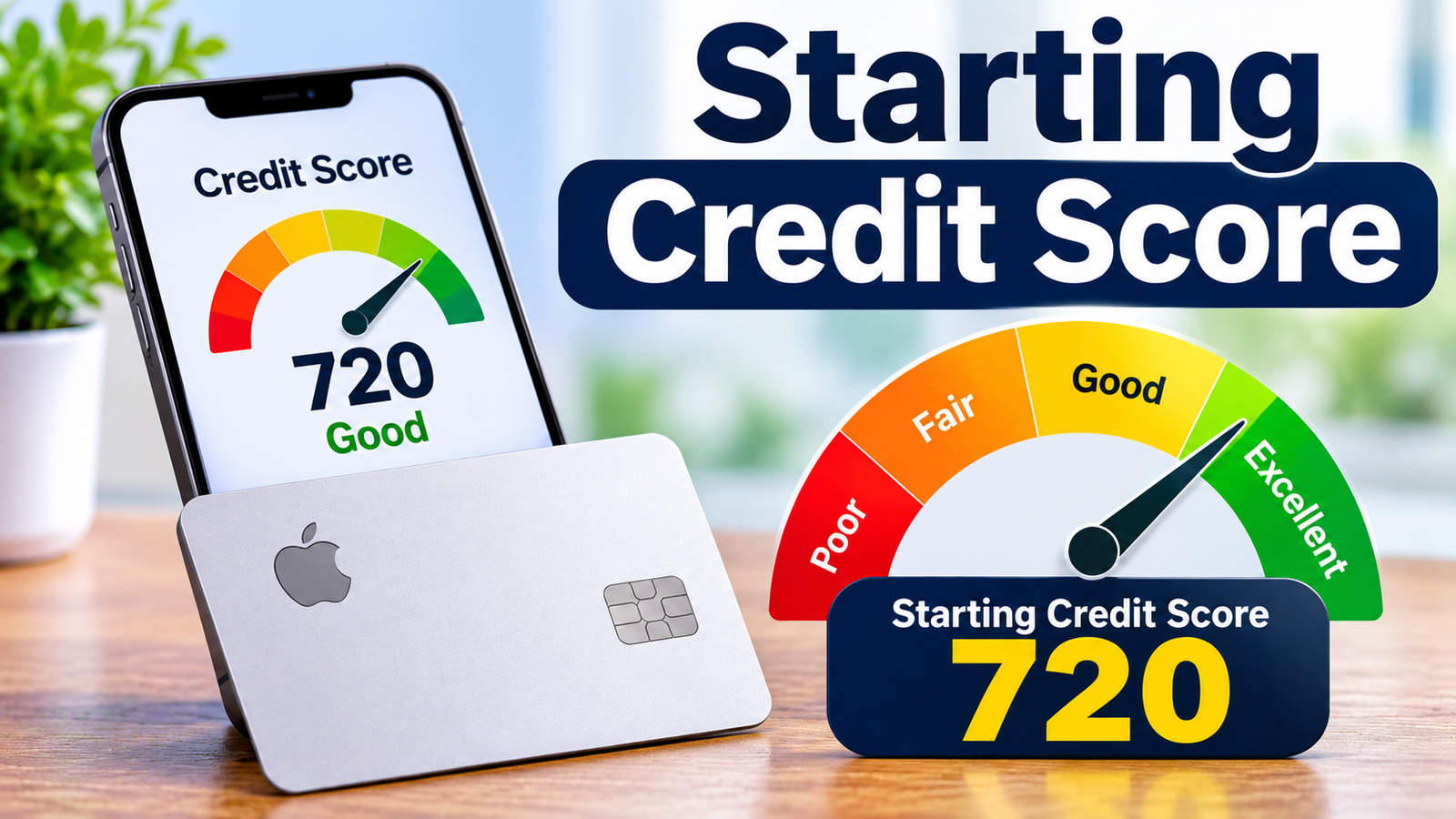
Starting Credit Score: What Credit Score Do You Begin With?
Building credit is an important part of managing your finances, especially when you plan to apply for a credit card, personal loan, auto loan, or mortgage. However, people who are new to credit often have one common question: What is their starting credit score? Do you automatically receive a score when you turn 18, open a bank account, or get your first debit card? In the United States, credit scores are generally calculated using information in your credit reports. If you have never used a credit card, taken out a loan, or had another account reported to the credit bureaus, you may not have an established credit score yet. Understanding your starting credit score can help you learn how credit history works, what lenders look for, and how to build a strong financial profile from the beginning. The good news is that you do not need to start with a perfect score. You can develop a positive credit history by using credit responsibly and making payments on time. What Is a Starting Credit Score? A starting credit score is the first credit score you receive after building enough credit history for a scoring model to calculate a score. In the United States, common FICO scores generally range from 300 to 850. However, people who are completely new to credit do not automatically receive a score of 300, 500, or 700. Instead, they may have no credit score because their credit reports do not contain enough information to calculate one. For example, someone who has never opened a credit card or borrowed money may have no established credit history. Once they open a credit account and the lender reports activity to the credit bureaus, information begins appearing on their credit report. After meeting the scoring model’s minimum requirements, they may receive their first credit score. Does Everyone Start With the Same Credit Score? No. There is no universal starting credit score for everyone. Your first score depends on the information available in your credit report and the scoring model being used. Two people who open their first credit cards at the same time may eventually receive different scores because their payment habits, balances, and account activity may differ. What Is the Minimum Credit Score You Can Start With? There is no fixed minimum starting score that applies to everyone. Most widely used FICO scores range from 300 to 850, while VantageScore models also generally use a 300 to 850 range. However, you do not necessarily begin at the lowest end of the range. A credit score is calculated from your reported financial behavior. If your credit history is limited, the scoring model may not have enough information to generate a score at all. Once you establish credit, your score may fall within different categories depending on how you manage your accounts. FICO Score Range Credit Category 300–579 Poor 580–669 Fair 670–739 Good 740–799 Very Good 800–850 Exceptional These are general FICO score categories. They describe established credit scores rather than automatic starting points. How Long Does It Take to Get Your First Credit Score? The time required to receive your first credit score depends on the scoring model and the information reported to credit bureaus. For a traditional FICO score, you generally need at least one account that has been open for six months or longer. You also need at least one account reported to a credit bureau within the previous six months. This means opening a credit card today does not necessarily give you a credit score immediately. VantageScore may be able to generate a score using a shorter credit history, depending on the information available in your credit report. Why Does It Take Time? Credit scoring models need enough information to evaluate your financial behavior. They look at factors such as payment history, outstanding balances, account age, and credit activity. If you have only recently opened your first account, there may not be enough reported information to calculate a reliable score. Does Checking Your Credit Score Start Your Credit History? No. Checking your own credit score does not create a credit history or automatically generate a new score. You need an account or other eligible financial information reported to the credit bureaus to establish a credit profile. What Credit Score Do You Start With at 18? Turning 18 does not automatically give you a credit score in the United States. It generally makes you eligible to apply for certain credit products independently, subject to lender requirements. If you have never used credit before, you may have no credit score when you turn 18. However, there are several ways to begin building credit once you meet the eligibility requirements. Apply for a Student Credit Card Some credit card issuers offer student credit cards designed for people with limited credit history. These cards may provide an opportunity to establish credit while attending college. Approval depends on the issuer’s requirements, income, and other application information. Become an Authorized User A parent or another trusted person may add you as an authorized user to an existing credit card account. Depending on the issuer and how the account is reported, the account’s history may appear on your credit report. However, the impact depends on the account’s payment history, utilization, and the scoring model. Consider a Secured Credit Card A secured credit card requires a refundable security deposit that generally determines your credit limit. You can use the card for eligible purchases and make payments according to the account terms. If the issuer reports your account activity to the major credit bureaus, responsible use may help establish credit history. What Factors Determine Your First Credit Score? Once enough information is available to calculate a score, several factors can influence your result. Payment History Payment history is one of the most important factors in many credit scoring models. Making every payment on time can help establish a positive credit profile. Even one missed payment can create problems, so it is important to understand your payment
How to Raise My Credit Score: Practical Steps to Build Better Credit
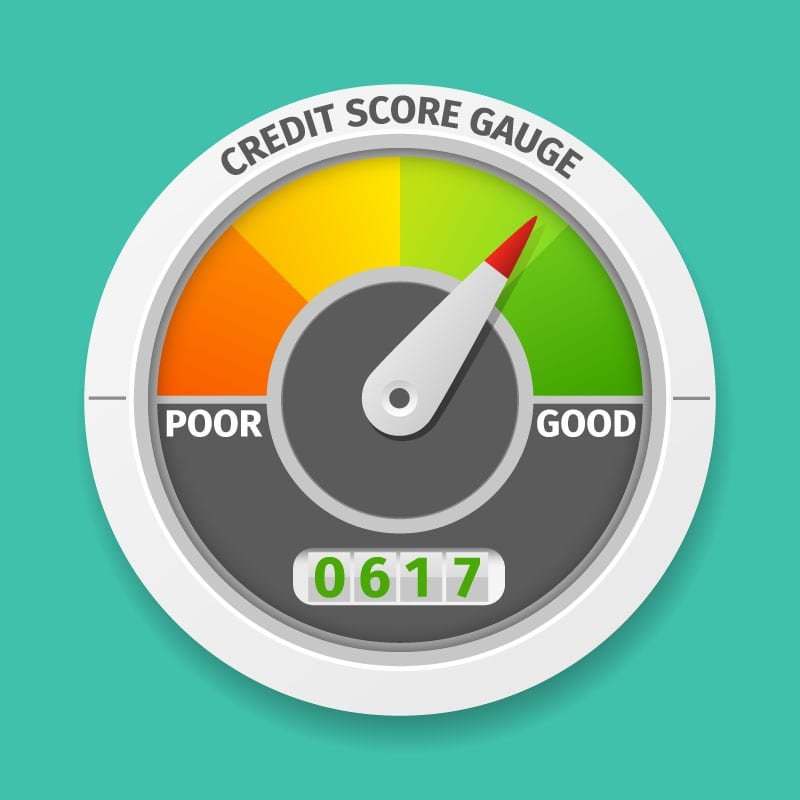
Having a good credit score can make it easier to qualify for credit cards, personal loans, mortgages, and auto financing. It may also help you receive lower interest rates and better borrowing terms. However, if your credit score is low or you have recently experienced a decrease, improving it can feel confusing. Many people want to know which financial habits matter most and how long it takes to see meaningful progress. If you are wondering how to raise my credit score, the best approach is to focus on the factors that influence credit scoring, including payment history, credit utilization, account age, and new credit applications. You do not need to open several credit cards or take out unnecessary loans to improve your score. Consistent payments, lower balances, and accurate credit reporting can make a meaningful difference over time. Understanding What Affects Your Credit Score Before trying to improve your credit score, it is important to understand how credit scoring works. In the United States, FICO and VantageScore are two widely used credit scoring models. Most standard FICO scores range from 300 to 850. A typical FICO score considers five major factors: Credit Factor General FICO Weight Payment history 35% Amounts owed and utilization 30% Length of credit history 15% New credit 10% Credit mix 10% These percentages are general guidelines for many FICO models. Other scoring models may calculate scores differently. Payment history and amounts owed have the greatest influence on many FICO scores. Therefore, paying bills on time and managing outstanding balances are two of the most useful starting points when rebuilding credit. 10 Effective Ways to Raise Your Credit Score Improving your credit score requires consistent financial habits. The following strategies can help you strengthen your credit profile without taking unnecessary financial risks. 1. Pay All Your Bills on Time Payment history is the most influential factor in many FICO credit scoring models. Even one reported late payment can negatively affect your credit score, particularly if you previously had a strong payment record. Make sure you pay your credit cards, auto loans, personal loans, and other reported credit obligations by their due dates. You can make this easier by: If you cannot afford to pay the full balance, making at least the required minimum payment on time can help you avoid a reported late payment. 2. Reduce Your Credit Card Balances Credit utilization measures how much of your available revolving credit you are using. It is an important factor in many credit scoring models. For example, if your credit card limit is $5,000 and your reported balance is $2,500, your utilization ratio is 50%. A high utilization ratio can negatively affect your score, even if you make every payment on time. To manage utilization more effectively: Many consumers aim to keep utilization below 30%, although lower utilization may be better for many scoring models. You do not need to carry a balance or pay interest to build credit. 3. Check Your Credit Reports for Errors Incorrect information on your credit report can make it harder to maintain a healthy credit score. Your credit reports may contain inaccurate balances, incorrectly reported late payments, duplicate accounts, or unfamiliar credit inquiries. Request your reports from Equifax, Experian, and TransUnion through AnnualCreditReport.com, the federally authorized website for free credit reports in the United States. Look for: If you identify an error, submit a dispute to the relevant credit bureau and the company that provided the information. Include supporting documents whenever possible. Correcting inaccurate information may help improve your credit profile if the error was negatively affecting your score. 4. Avoid Applying for Too Many Credit Cards Every time you apply for a new credit card or loan, the lender may perform a hard credit inquiry. A hard inquiry can temporarily lower your credit score. One inquiry generally has a small impact, but multiple applications within a short period may create additional concerns. Before applying for new credit, compare eligibility requirements, fees, interest rates, and benefits. If available, use prequalification tools that rely on soft inquiries to check potential eligibility without affecting your score. Remember that prequalification does not guarantee final approval. 5. Keep Older Credit Accounts Open When Appropriate The length of your credit history can influence your credit score. Older accounts may contribute to a longer credit history, which can be beneficial. Closing an older credit card may also reduce your total available revolving credit and increase your utilization ratio if you have balances on other cards. However, keeping every account open is not always necessary. If a card has expensive fees, security concerns, or other disadvantages, consider whether keeping it is worthwhile. Make account decisions based on the complete financial picture rather than credit score concerns alone. 6. Consider a Secured Credit Card A secured credit card can be useful if you have a poor credit history or limited borrowing experience. Unlike an ordinary unsecured card, a secured card generally requires a refundable security deposit. The deposit often determines your initial credit limit. For example, if you provide a $300 deposit, the issuer may offer a $300 credit limit. Using the card responsibly may help you build positive payment history when the issuer reports account activity to the major credit bureaus. Before applying, check whether the issuer reports to Equifax, Experian, and TransUnion and review the annual fee, deposit requirements, and interest rate. 7. Become an Authorized User Some credit card issuers allow an existing cardholder to add another person as an authorized user. If the primary cardholder has a long history of on-time payments and responsible credit utilization, the account may help the authorized user establish a stronger credit profile. However, the effect depends on the issuer’s reporting practices and the scoring model. Before becoming an authorized user, consider these points: You do not necessarily need to use the card to benefit from an eligible reported account. 8. Pay Down Existing Debt Strategically Outstanding debt can affect your credit score and overall financial stability. If you have multiple
What’s a Good Credit Score to Buy a Car?
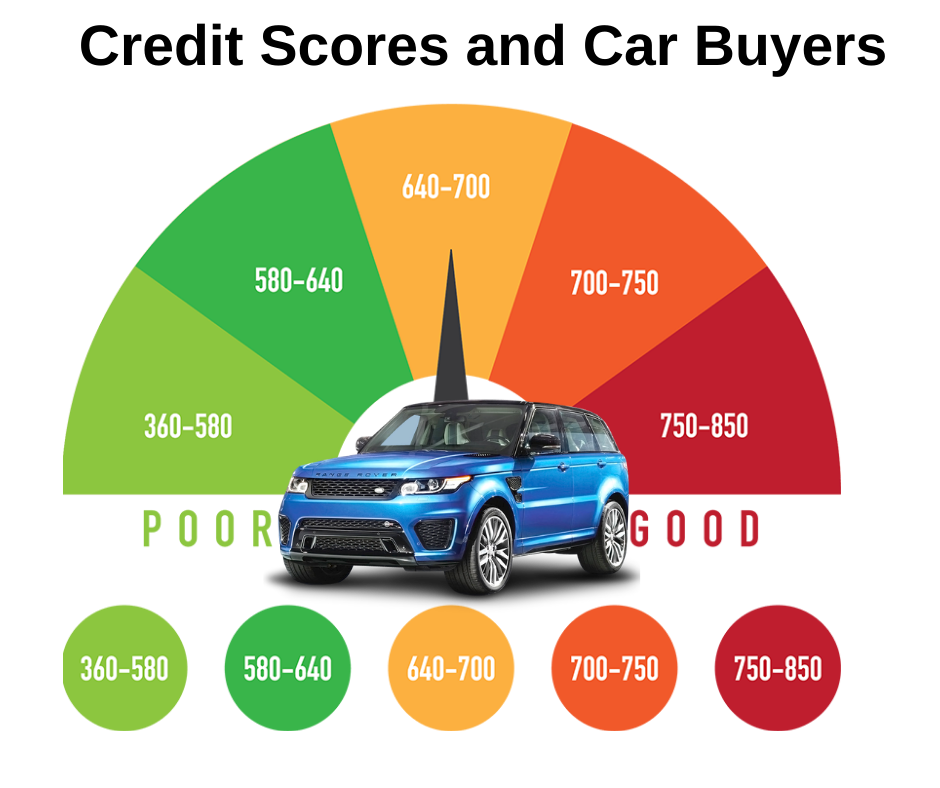
Buying a car is an important financial decision, and your credit score can make a significant difference in how much you pay over the life of an auto loan. Whether you are purchasing a new vehicle or a used car, lenders review your credit history to understand how likely you are to repay the borrowed amount. A stronger credit profile can help you qualify for lower interest rates, better loan terms, and more affordable monthly payments. Generally, a credit score of 670 or higher is considered a good starting point when applying for an auto loan in the United States. However, you do not necessarily need an excellent score to finance a vehicle. Some lenders work with borrowers who have fair or poor credit, although they may charge higher interest rates or require a larger down payment. Understanding the credit score ranges, lender requirements, and factors that influence auto loan approval can help you prepare before visiting a dealership. What Credit Score Do You Need to Buy a Car? There is no single minimum credit score required by every auto lender. Each financial institution has its own approval criteria, and the requirements may vary depending on the vehicle, loan amount, down payment, income, and repayment history. However, FICO credit score ranges provide a useful way to understand how lenders may evaluate your application. FICO Credit Score Credit Category General Auto Loan Outlook 300–579 Poor Financing may be difficult or expensive 580–669 Fair Some lenders may approve applications 670–739 Good More financing opportunities 740–799 Very Good Competitive loan offers may be available 800–850 Exceptional Strong position for favorable rates These categories are general FICO ranges, not guaranteed auto loan approval standards. Auto lenders may use specialized FICO Auto Scores or other scoring models that evaluate credit risk differently. A score of 670 or above can put you in a stronger position, but your complete financial profile still matters. What Is a Good Credit Score for a New Car? A credit score of 700 or higher can help you qualify for competitive financing when purchasing a new car. Borrowers with very good or exceptional credit may have access to lower interest rates, depending on the lender and current market conditions. New vehicles sometimes qualify for manufacturer-sponsored financing promotions. These offers may include reduced interest rates for eligible buyers, but they often require strong credit and may have additional restrictions. Why Credit Scores Matter for New Cars New cars can involve larger loan amounts because their purchase prices are often higher than those of used vehicles. Even a small difference in the interest rate can increase the total amount you pay over several years. For example, a borrower with excellent credit may receive a lower annual percentage rate than someone with fair credit. The difference can affect both monthly payments and total interest expenses. Before accepting financing, compare the annual percentage rate, loan term, fees, and total repayment amount rather than focusing only on the monthly payment. What Is a Good Credit Score for a Used Car? A credit score of around 670 or higher is generally a helpful target when financing a used vehicle. However, some lenders specialize in used car loans for borrowers with lower scores. Used car financing can be different from new car financing because lenders may consider the vehicle’s age, mileage, condition, and resale value. Factors That Affect Used Car Financing Some lenders may have restrictions on financing older vehicles or cars with high mileage. Therefore, checking eligibility before choosing a vehicle can prevent unnecessary applications. How Your Credit Score Affects Car Loan Interest Rates Your credit score can influence the interest rate a lender offers. In general, borrowers with stronger credit histories are more likely to qualify for lower rates, while borrowers with weaker credit may receive higher rates. The annual percentage rate, commonly called APR, represents the yearly cost of borrowing and can include certain loan-related fees. Consider a hypothetical example involving a $25,000 auto loan with a 60-month repayment period. Annual Interest Rate Approximate Monthly Payment Approximate Total Interest 5% $472 $3,307 8% $507 $5,329 12% $556 $8,369 These figures are illustrative estimates and assume a fixed interest rate with monthly payments. Actual offers depend on lender requirements, taxes, fees, and loan terms. The example shows why comparing interest rates is important. A higher rate can add thousands of dollars to the total cost of purchasing a vehicle. Can You Buy a Car With a 600 Credit Score? Yes, buying a car with a 600 credit score is possible. A score of 600 falls within the fair FICO category, and some auto lenders are willing to approve borrowers in this range. However, you may not receive the same interest rate or loan terms offered to applicants with stronger credit. What to Expect With a 600 Score You may face higher borrowing costs, a larger down payment requirement, or fewer financing choices. Some dealerships work with lenders that specialize in subprime auto financing, but these loans should be reviewed carefully. Before signing an agreement, check the APR, monthly payment, loan duration, additional fees, and total repayment amount. If the available offers are too expensive, improving your credit score before purchasing may help you qualify for better financing. Can You Get a Car Loan With Bad Credit? Getting an auto loan with bad credit can be challenging, but it is not impossible. Some lenders consider applicants with scores below 580. These financing options may come with higher interest rates, stricter conditions, or larger down payment requirements. Ways to Improve Your Chances of Approval Make a Larger Down Payment A larger down payment reduces the amount you need to borrow. It can also lower the lender’s risk and make your application more attractive. Consider a Less Expensive Vehicle Choosing an affordable vehicle can reduce your loan amount and monthly financial obligations. Avoid purchasing a car that stretches your budget. Apply With a Qualified Co-Signer A co-signer with a stronger credit profile may improve your chances of approval.

Chase Sapphire Preferred Credit Score: What Score Do You Need to Get Approved?
Choosing the right travel rewards credit card can make a big difference in how you earn points, manage everyday purchases, and pay for future trips. The Chase Sapphire Preferred is a popular option among people who want valuable travel benefits without paying a high annual fee. However, before applying, many people ask an important question: what credit score do you need for the Chase Sapphire Preferred? Generally, applicants with a good to excellent credit profile have the strongest approval chances. A FICO score of around 700 or higher is commonly recommended, although some applicants may qualify with a lower score. Chase does not publish a guaranteed minimum credit score, and approval depends on more than just your numerical rating. Understanding the credit requirements, application rules, income considerations, and ways to improve your approval chances can help you decide whether this card is right for you. What Credit Score Do You Need for Chase Sapphire Preferred? The Chase Sapphire Preferred generally targets applicants with good to excellent credit. Although Chase does not officially publish a minimum credit score requirement, financial experts commonly recommend having a FICO score of at least 700 before applying. Here is a general guide: FICO Credit Score Credit Category 300–579 Poor 580–669 Fair 670–699 Good 700–739 Good 740–799 Very Good 800–850 Exceptional A score of 700 or higher may give you a stronger starting point. Applicants with scores of 740 or above generally have a stronger credit profile, although approval is never guaranteed. Your payment history, existing debt, income, account age, and recent credit applications can also influence Chase’s decision. Can You Get Chase Sapphire Preferred With a 650 Credit Score? Getting approved for the Chase Sapphire Preferred with a 650 credit score may be difficult. A 650 FICO score generally falls within the fair credit category. Chase typically prefers applicants with stronger credit histories for this travel rewards card. However, your credit score is only one part of the application. Chase may also consider: If your score is around 650, improving your credit profile before applying may be a better approach. Focus on reducing credit card balances, paying bills on time, and correcting any inaccurate information on your credit reports. Applying before you are ready could result in a hard inquiry without approval. What Is the Chase Sapphire Preferred Card? The Chase Sapphire Preferred is a travel rewards credit card issued by Chase. It is designed for people who want to earn rewards on travel, dining, and other eligible purchases. Some of its key features include: Travel Rewards: Cardholders can earn points on eligible travel purchases and other spending categories. Dining Rewards: The card offers rewards on eligible restaurant and dining purchases. Travel Benefits: Eligible cardholders receive certain travel protections and benefits. Annual Fee: The card currently carries a $95 annual fee. Welcome Bonus: Chase advertises promotional welcome offers for eligible new cardmembers. The offer can change, so applicants should review the current terms before applying. The card may be useful for people who travel regularly and can manage their balances responsibly. What Factors Does Chase Consider When Approving Your Application? Your credit score matters, but Chase reviews several other financial details before making an approval decision. Understanding these factors can help you prepare a stronger application. 1. Payment History Payment history is one of the most important parts of your FICO credit score. Chase may review whether you consistently make payments on your existing credit cards and loans. A history of missed payments, collections, or serious delinquencies can make approval more difficult. Before applying, make sure your existing accounts are current and continue making payments on time. 2. Credit Utilization Ratio Credit utilization measures how much of your available revolving credit you are currently using. For example, if your credit card limit is $10,000 and your outstanding balance is $3,000, your utilization rate is 30%. High credit utilization can negatively affect your credit score and may make your financial profile appear riskier. Consider paying down outstanding balances before submitting your application. Keeping utilization below 30% is a commonly recommended guideline, while lower utilization may be even better. 3. Length of Credit History The age of your credit accounts can influence your credit profile. Applicants with several years of responsible credit management may have an advantage over people who have recently started using credit. If you have only one credit card and a short credit history, Chase may have limited information to evaluate your repayment behavior. Building a consistent credit history before applying can improve your overall financial profile. 4. Annual Income Chase does not publish a specific minimum salary requirement for the Sapphire Preferred. However, income is an important part of the application because it helps the issuer evaluate your ability to repay borrowed money. Your existing financial obligations and available income may also influence the decision. Always provide accurate income information when completing your application. 5. Recent Credit Applications Applying for several credit cards within a short period may create multiple hard inquiries. These inquiries can temporarily affect your credit score and may make lenders more cautious. Before applying for the Sapphire Preferred, review your recent credit activity and avoid unnecessary applications. Understanding Chase’s 5/24 Rule One important requirement to understand before applying is Chase’s unofficial 5/24 rule. Under this commonly reported policy, Chase generally declines applicants who have opened five or more personal credit card accounts across all issuers during the previous 24 months. For example, suppose you opened: That would bring your total to five new personal credit card accounts within 24 months. Even if your credit score is excellent, this rule may affect your approval chances. There can be exceptions and differences in how particular accounts are counted, but applicants should review their recent account history before applying. How to Improve Your Chances of Getting Chase Sapphire Preferred If you want to apply for the Chase Sapphire Preferred, preparing your credit profile can help you become a stronger applicant. Here are practical steps to consider. 1. Improve Your Credit Score