

Buy Now, Pay Later (BNPL) services have become increasingly popular because they allow customers to purchase products immediately and pay for them through smaller installments. Instead of paying the full price at checkout, shoppers can divide their purchases into multiple payments over a few weeks or months. Services such as Afterpay, Klarna, Affirm, and other installment payment providers offer different payment options. Although these services can make shopping more convenient, many customers have an important question: does buy now pay later affect credit score? What Is Buy Now, Pay Later? Buy Now, Pay Later is a payment method that allows customers to purchase products or services immediately and repay the amount over an agreed period. Instead of paying the full purchase price at once, customers make smaller scheduled payments. Depending on the provider, these payments may be divided into four installments or spread over several months. For example, imagine purchasing a laptop worth $800 through a four-payment BNPL plan. The payment structure depends on the provider and the agreement. Some plans are interest-free when payments are made on time, while longer-term financing options may include interest or other charges. Popular Buy Now, Pay Later Providers Some well-known BNPL providers include: Each company has its own eligibility rules, credit-check procedures, payment schedules, and reporting policies. Does Buy Now Pay Later Affect Credit Score? Yes, Buy Now, Pay Later can affect your credit score, but not every BNPL service affects credit reports in the same way. Some providers may perform a soft credit check when you sign up or apply for a payment plan. Others may perform a hard inquiry for certain financing products. Payment reporting also varies. Some companies report account information and repayment activity to credit bureaus, while others do not report standard short-term installment plans. Here are the main ways BNPL can influence your credit profile: Credit Checks A BNPL provider may review your credit information before approving a purchase or financing application. A soft inquiry generally does not lower your credit score. A hard inquiry may temporarily reduce it. Payment History Some providers report repayment activity to credit bureaus. If they do, on-time payments may contribute to your credit history, while reported late payments may negatively affect it. Outstanding Debt Certain lenders may consider your existing installment obligations when assessing your ability to repay additional borrowing. Debt Collection If you fail to repay an outstanding balance, the account may eventually be referred to a collection agency. Depending on the reporting rules and circumstances, collection activity may appear on your credit report. How Buy Now, Pay Later Services Affect Credit Scores Different BNPL companies use different credit assessment and reporting practices. It is important to understand the provider’s policies before choosing a payment plan. 1. Afterpay Afterpay’s standard US Pay in 4 service generally does not report payment activity to US credit bureaus. Its standard signup process may involve a soft credit check, which does not lower a credit score. However, Afterpay’s Pay Monthly product has different financing terms and may involve a credit check. Customers should review the specific agreement before applying. 2. Klarna Klarna offers several payment products, and their credit-check and reporting practices can differ. Some short-term payment options may use soft credit checks, while certain financing products may involve hard inquiries. Reporting policies can also depend on the product and country. Customers should check the terms of their selected Klarna payment option rather than assuming every purchase has the same effect. 3. Affirm Affirm offers different installment and financing products. Depending on the product, it may use a soft inquiry during eligibility checks and may report payment information to one or more credit bureaus. Certain longer-term financing arrangements can have a more direct relationship with credit reporting than standard short-term payment plans. Always review the disclosures for the particular loan before accepting it. 4. PayPal Pay Later PayPal offers different Pay Later products in eligible markets. Credit checks and reporting practices depend on the specific product and location. Some short-term products may use a soft inquiry, while longer-term financing may involve different credit assessment procedures. Review the payment agreement carefully to understand the possible effects on your credit report. Does Buy Now, Pay Later Help Build Credit? Buy Now, Pay Later can help build credit in certain situations, but it is not guaranteed. The main factor is whether the provider reports your account and payment activity to credit bureaus. If a BNPL provider reports positive payment history, making scheduled payments on time may help establish a record of responsible repayment. However, if the provider does not report standard payment activity, completing every installment may not improve your traditional credit score. When BNPL May Help When BNPL May Not Help If your primary goal is building credit, consider financial products specifically designed to establish credit history and that report payments to the relevant bureaus. What Happens If You Miss a Buy Now, Pay Later Payment? Missing a BNPL payment can create several problems. The exact consequences depend on the provider and your payment agreement. Late Fees Some providers charge late fees when a scheduled installment is not paid on time. Other services may restrict spending or use different collection procedures. Account Restrictions Repeated missed payments may result in a reduced spending limit, declined purchases, or temporary account restrictions. Credit Report Impact If the provider reports payment activity, a late payment may negatively affect your credit history. The timing and reporting rules depend on the agreement and applicable laws. Debt Collection If an outstanding balance remains unpaid, the provider may refer the account to a collection agency or take other permitted recovery actions. A collection account may affect your credit report if it is reported. Financial Stress Several missed installment payments can make it harder to manage everyday expenses and other financial commitments. The best approach is to contact the provider as soon as you realize you may miss a payment. Does Buy Now, Pay Later Require a Hard Credit Check? Not every BNPL service requires

Music Education: Building Creativity, Confidence, and Lifelong Learning Through Music
Music is an important part of human culture, communication, and personal expression. It brings people together, creates emotional connections, and provides a meaningful way to understand the world. Beyond entertainment, music also plays a valuable role in education by helping students develop creativity, discipline, confidence, and critical thinking skills. Through music education, learners gain opportunities to explore different instruments, understand musical concepts, improve listening abilities, and express themselves through sound. Music learning is not limited to students who want to become professional singers or musicians. It can benefit people of different ages, backgrounds, and skill levels. From early childhood classrooms to colleges, community programs, and private lessons, music creates an engaging learning environment that supports both academic and personal development. What Is Music Education? Music education is the process of teaching and learning music through structured lessons, practical activities, listening exercises, and creative experiences. It helps learners understand essential musical elements such as rhythm, melody, harmony, pitch, tempo, and musical notation. Students may learn to sing, play instruments, read music, compose original pieces, or understand the history and cultural importance of different musical traditions. The main areas of music education These areas work together to provide students with a balanced understanding of music. Why Music Education Is Important Music can make learning more interactive and enjoyable. It gives students an opportunity to participate actively rather than simply receiving information. When learners practice an instrument or perform a song, they develop skills through repetition, observation, and experimentation. Improving creativity Music encourages students to explore new ideas and express their imagination. Writing lyrics, composing melodies, and experimenting with sounds allow learners to think creatively. These experiences can also help them approach challenges in other subjects with greater flexibility. Building confidence Performing in front of classmates, teachers, or audiences can help students become more comfortable expressing themselves. Regular practice and positive feedback also create a sense of achievement. Developing discipline Learning an instrument requires patience and consistent effort. Students must practice regularly, correct mistakes, and gradually improve their performance. These habits can support better time management and self-discipline. Strengthening communication Group singing, ensembles, and musical performances encourage students to listen carefully and cooperate with others. They learn how individual contributions can support a shared goal. Benefits of Music Education for Children Introducing music during childhood can create valuable learning experiences. Young children often respond naturally to sounds, rhythms, and songs. Educational activities involving music can make classrooms more engaging while supporting important developmental skills. Language and listening development Songs introduce children to new words, sounds, pronunciation patterns, and repetition. Singing and listening exercises can encourage attention to language and improve auditory awareness. Motor skill development Playing simple instruments, clapping rhythms, and moving to music help children coordinate their physical movements. Activities involving instruments such as drums, keyboards, or small percussion tools provide opportunities to practice hand-eye coordination. Social interaction Group music activities teach children how to take turns, follow instructions, cooperate, and respect other participants. These experiences can support positive classroom relationships. Emotional expression Music gives children a way to communicate feelings that may be difficult to explain through words. Singing, dancing, and playing instruments can become healthy forms of self-expression. Music Education in Schools and Colleges Schools play an important role in making music learning accessible to students. A well-organized music program can include classroom lessons, instrument training, choir activities, school bands, and cultural performances. Classroom music programs Elementary schools may introduce students to basic rhythm, singing, movement, and musical instruments. As students progress, lessons can include music reading, composition, and more advanced performance techniques. School bands and choirs Participating in a band or choir gives students practical experience working as a team. They learn how to follow a conductor, maintain timing, listen to other performers, and prepare for public performances. Higher education opportunities Colleges and universities offer specialized programs in music performance, music production, composition, music theory, conducting, and music education. These programs help students develop professional knowledge and practical experience. Different Methods of Teaching Music Every learner has different interests, abilities, and learning preferences. Music teachers can use different teaching methods to make lessons more effective and enjoyable. Practical learning Students learn by playing instruments, singing, practicing rhythms, and performing musical exercises. This approach helps connect theoretical knowledge with real musical experience. Listening-based learning Teachers introduce different musical styles and ask students to identify instruments, rhythms, patterns, and emotional qualities. Listening activities improve musical awareness and attention to detail. Group-based learning Ensemble activities, group singing, and collaborative composition encourage students to learn from one another. They also develop cooperation and shared responsibility. Technology-supported learning Digital tools can help students record performances, explore virtual instruments, study music theory, and create compositions. Educational software and online lessons can make music resources more accessible. The Role of Technology in Modern Music Education Technology has changed how music is taught, practiced, recorded, and shared. Students no longer need to depend entirely on traditional classroom resources to explore musical ideas. Digital audio workstations allow learners to create and edit recordings. Music notation software helps students write and arrange compositions. Online tutorials and virtual classes provide additional learning opportunities for people who cannot attend in-person lessons. Popular uses of technology include: Technology can support traditional teaching methods, but it does not replace the importance of regular practice, teacher guidance, and real musical interaction. Career Opportunities in Music Music education can prepare learners for several professional paths. While some students choose careers as performers, others work in teaching, production, technology, research, and entertainment. Music teacher: Teaches singing, instruments, music theory, or general music appreciation in schools and private institutions. Professional musician: Performs as a solo artist or works with bands, orchestras, studios, and live entertainment organizations. Music producer: Helps create recordings by arranging, recording, editing, and improving musical performances. Composer and songwriter: Develops original music for albums, films, television, games, advertisements, and other creative projects. Sound engineer: Works with recording equipment, audio systems, mixing, and sound quality. Music therapist: Uses music-based activities as part of professional

Understanding the Statute of Limitations in Dog Bite Injury Claims
Being attacked by a dog is a trauma that hits you on every level. You’re dealing with the shock, the physical wounds, and the sudden mountain of medical paperwork. Most people in this situation just want to go home, rest, and hope the nightmare fades. It’s easy to push the legal stuff to the back burner. But there’s a trap here. It’s called the statute of limitations, and it’s the legal equivalent of a ticking time bomb. If you aren’t paying attention to it, you could be setting yourself up to lose everything. The Clock is Always Running Look, the law isn’t exactly known for its empathy. It doesn’t care if you were in physical therapy for six months or if you were too shaken up to call a lawyer immediately. Every state has a hard deadline, a statute of limitations, to file a lawsuit. If you miss that date? That’s it. Game over. A judge won’t hear your side of the story, and the insurance company certainly won’t pay a dime. They’ll just close your file and move on. You need a dog bite lawyer who knows exactly when your clock runs out. Why Insurance Companies Want You to Wait Insurance adjusters are trained professionals, and they know the law inside and out. They also know that most people are terrified of the legal system and want to avoid filing a lawsuit at all costs. Often, an adjuster will string you along. They’ll say things like, “We’re still investigating,” or “Let’s hold off on any legal action while you finish your treatment.” It sounds helpful, right? It’s not. They’re just waiting for the calendar to do their dirty work for them. Every day you spend waiting for a “good-faith offer” is a day you aren’t protecting your rights. Once you get within a few months of that deadline, your leverage evaporates. They stop negotiating and start waiting for the expiration date. How to Stay Ahead of the Curve You don’t have to rush into a courtroom, but you do need to be strategic. Here’s how you keep control of the situation: The Danger of “Toll” Exceptions People often think, “Oh, surely they’ll make an exception for me because I was in the hospital for three months.” Don’t bet on it. Courts are notoriously stingy with exceptions. Yes, there are some “tolling” rules usually for minors or people who were mentally incapacitated at the time of the bite, but these are narrow, technical exceptions. Assuming one applies to you is a gamble you really shouldn’t take. Why You Need a Pro in Your Corner Working with a firm like The Lackey Law Firm shifts the dynamic. Instead of you chasing the insurance company, the insurance company starts having to respond to us. When a dog bite lawyer steps in, the “waiting game” stops. They build the file, flag the deadlines, and make sure the other side knows they aren’t just going to fade away when the calendar flips. They handle the technical stuff the filings, the motions, the evidence preservation so you can actually focus on your physical recovery. The Bottom Line The legal world isn’t designed to be easy for the average person. It’s a maze of deadlines, paperwork, and “gotchas.” You’ve already been hurt by a dog; don’t let the legal system hurt you again by stripping away your right to compensation. If you’re even a few months post-bite, don’t wait for the insurance company to call you back. Reach out to a dog bite lawyer today. Get your file reviewed, mark your deadline on the calendar, and take back control of your situation. You’ve done the hard part by surviving the attack; now let us help you handle the rest. FAQ’s Q. What is the statute of limitations for dog bites? Each state determines its own statute of limitations, which is commonly between one and four years following the time of the attack. It is crucial to understand the legislation of your particular state to make sure that you do not run out of time. Q. Can I sue if the deadline has passed? Generally, if the statute of limitations has expired, you no longer have the legal right to file a lawsuit. In most cases, courts will dismiss a claim filed after this deadline, making it impossible to recover compensation for your medical expenses or other damages. Q. Does the statute of limitations apply to medical bills? Yes, the deadline applies to the entire claim, including all medical costs, lost income, and pain and suffering. Once the period expires, you lose the ability to seek any form of legal recovery for these expenses related to the incident. Q. Can the deadline be extended for any reason? Some states have “tolling” provisions for minors or individuals with certain disabilities, which can pause the clock. However, these are narrow exceptions. You should not assume an extension applies to your case without speaking to an attorney who can verify your legal standing. Q. Should I file a lawsuit immediately? Not necessarily. You should first speak with an attorney to evaluate the strength of your case and the evidence available. A lawyer can help you decide on the right time to file so that you are well-prepared and your claim is as strong as possible.

Is Accounting a Good Major? Career Options, Salary, Pros, and Cons
Choosing a college major is an important decision because it can influence the types of jobs you qualify for, the skills you develop, and the professional opportunities available after graduation. One major that continues to attract students is accounting. So, is accounting a good major? For many students, it can be a practical choice because accounting provides a foundation in financial reporting, business operations, taxation, auditing, budgeting, and financial analysis. It can also lead to careers in public accounting, corporate finance, government, consulting, internal audit, tax, and forensic accounting. In the United States, the Bureau of Labor Statistics projects employment for accountants and auditors to grow 5% between 2025 and 2035, compared with 3% growth for all occupations. The BLS also projects about 115,300 openings for accountants and auditors each year over that period. However, accounting is not the right major for everyone. Your interests, preferred work environment, career goals, and willingness to develop technical skills should all be considered. What Is an Accounting Major? An accounting major teaches students how organizations record, analyze, interpret, and report financial information. Typical accounting coursework may include: Students may also learn how accounting software and technology are used to process and analyze financial information. The degree can provide a foundation for both traditional accounting positions and broader business careers. Is Accounting a Good Major for Job Opportunities? Accounting can provide access to a relatively broad employment market because virtually every organization needs financial information and financial controls. Accountants and auditors work in industries including accounting services, finance and insurance, government, management, and other organizations. BLS data shows that accountants and auditors held approximately 1.6 million jobs in the United States in 2025. Potential employers include: This variety can be useful if you do not want to work in only one type of industry. Accounting Career Paths One of the major advantages of an accounting degree is that it does not necessarily lead to only one occupation. Public Accounting Public accountants work with clients and may specialize in audit, tax, or advisory services. Public accounting can provide exposure to different companies and industries. Corporate Accounting Corporate accountants work within companies and help manage financial reporting, accounting operations, budgeting, and other financial activities. Possible positions include: Tax Accounting Tax professionals help individuals and organizations understand and comply with tax requirements. Tax careers can involve tax preparation, tax planning, research, and consulting. Internal Audit Internal auditors examine organizational processes and controls. Their work can involve identifying risks, evaluating controls, and helping organizations improve financial and operational procedures. Forensic Accounting Forensic accountants investigate financial information and transactions, often in situations involving disputes, fraud investigations, or legal proceedings. Government Accounting Government organizations employ accounting professionals to manage public funds, prepare financial information, monitor budgets, and support accountability. Financial Planning and Analysis Accounting graduates can also move into corporate financial planning and analysis, where professionals examine financial information to support business decisions. The AICPA notes that accounting career paths can extend into public accounting, corporate accounting, government and nonprofit accounting, forensic accounting, financial consulting, and related areas. Accounting Salary Potential Salary varies considerably depending on experience, location, industry, job title, credentials, and employer. For U.S. accountants and auditors, the BLS reported a 2025 median annual wage of $83,680. The lowest 10% earned below $56,020, while the highest 10% earned above $144,090. Industry also affects compensation. In 2025, the median wages reported by BLS included approximately: These figures are U.S. occupational statistics rather than guaranteed salaries for accounting graduates. Can an Accounting Major Lead to a CPA? Yes. An accounting degree can be a common starting point for students who want to become Certified Public Accountants. CPA requirements vary by jurisdiction. In the United States, the path generally involves education, examination, and experience requirements established by the relevant state board. The AICPA reports that CPA licensure pathways are changing in some jurisdictions. Its 2026 guidance describes three pathways recognized under an updated Uniform Accountancy Act framework, although individual states determine their own licensing rules. If becoming a CPA is one of your goals, check the specific requirements of the state where you expect to seek licensure before choosing your coursework. Is an Accounting Degree Worth It Without a CPA? An accounting degree can still be useful even if you do not become a CPA. Graduates can pursue positions such as: Some graduates also use accounting as a foundation for careers in management, finance, operations, consulting, or business analytics. The CPA can expand certain opportunities, particularly in public accounting and roles where a professional license is required or valued, but it is not the only career path available to an accounting graduate. Accounting vs. Finance Accounting and finance overlap, but they emphasize different areas. Accounting generally focuses on recording, reporting, analyzing, and interpreting financial information. Finance tends to focus more heavily on investments, financial markets, valuation, capital allocation, and financial decision-making. If you enjoy understanding how transactions affect financial statements, accounting may appeal to you. If you are more interested in investments, markets, valuation, or corporate financial strategy, finance may be more attractive. Neither degree automatically guarantees a particular career. Internships, technical skills, professional credentials, networking, and work experience can all influence career opportunities. Is Accounting a Good Major for Someone Who Is Good at Math? You do not need to be an advanced mathematician to study accounting. Accounting does involve numbers, calculations, percentages, financial statements, and analytical work. However, much of accounting requires careful reasoning, organization, interpretation, and attention to detail rather than advanced mathematical theory. Important skills include: The BLS identifies mathematics, problem-solving, decision-making, and computer and information technology skills as important for accountants and auditors. Is Accounting a Difficult Major? Accounting can be challenging because courses often build on one another. For example, students may first learn basic financial accounting before moving into more advanced areas such as intermediate accounting, auditing, taxation, or managerial accounting. Some students find accounting challenging because it requires precision. A small mistake in a calculation or accounting treatment can affect subsequent work.
How Old Do You Have to Be to Day Trade? Age Requirements Explained
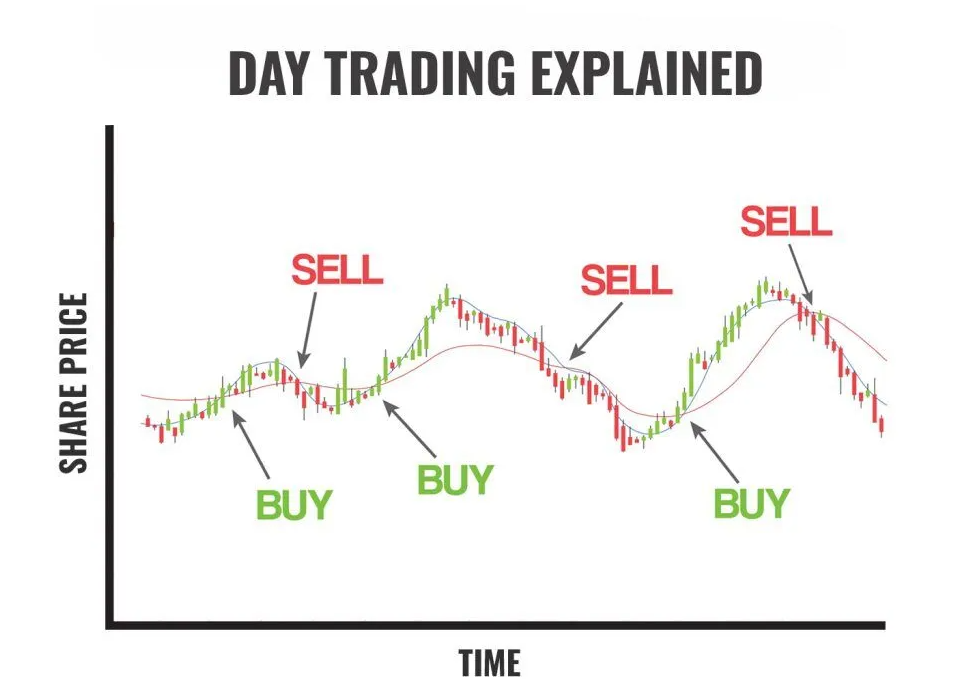
If you are interested in stock markets, you may eventually ask, how old do you have to be to day trade? Day trading can seem appealing because it involves buying and selling financial assets over short periods, sometimes within the same trading day. However, age is an important consideration because opening and controlling a brokerage account generally requires you to meet certain legal and brokerage requirements. For people in the United States, the practical minimum age for independently opening a standard brokerage account is generally 18, although the exact requirements can depend on the brokerage, account type, state law, and financial product involved. Minors may have access to certain custodial or specialized accounts, but those accounts do not necessarily provide the same control as an adult brokerage account. Age is also only one part of the picture. Day traders need to understand brokerage requirements, trading rules, account minimums, taxes, risk, and the differences between cash and margin accounts. This guide explains how old you have to be to day trade, what minors can do, how custodial accounts work, and what new traders should understand before putting money into the market. How Old Do You Have to Be to Day Trade? For someone in the United States who wants to independently open a regular brokerage account, 18 is generally the important age threshold. At that age, an individual can generally enter into financial agreements and open an investment account in their own name, subject to the brokerage’s requirements. However, being 18 does not automatically mean that you can day trade without restrictions. Your brokerage may have additional requirements, and trading certain products may involve additional eligibility standards. Day trading also has specific regulatory requirements. For example, FINRA’s rules impose special requirements on customers classified as pattern day traders, including a $25,000 minimum equity requirement. Therefore, the answer to “how old do you have to be to day trade” is only the first part of understanding whether you can actually begin trading. Can You Day Trade If You Are Under 18? Minors generally cannot simply open a standard brokerage account and independently trade securities in the same way as an adult. However, there are account structures designed to allow minors to invest with the involvement of a parent, guardian, or other authorized adult. A custodial account is one common example. In a custodial arrangement, an adult custodian manages the account for the benefit of the minor until the applicable transfer age under state law. The exact investment options available through a custodial account depend on the brokerage and account structure. A custodial account should not automatically be assumed to provide unrestricted day-trading access. If you are under 18 and interested in learning about trading, you can also spend time developing market knowledge before using real money. Understanding stocks, orders, risk management, financial statements, and market volatility can be valuable regardless of your age. What Is a Custodial Brokerage Account? A custodial brokerage account allows an adult to manage investments on behalf of a minor. The minor is the beneficiary, but the custodian generally controls the account while the child is under the applicable age. This structure can allow young people to participate indirectly in investing before they reach adulthood. However, it is different from having complete control over a personal brokerage account. Parents or guardians considering a custodial account should review the brokerage’s rules and understand which securities and transactions are permitted. If the goal is specifically day trading, it is especially important to ask the brokerage whether the account type supports the intended activity. A regular custodial investment account should not automatically be treated as a day-trading account. Can a 16-Year-Old Day Trade? A 16-year-old generally cannot independently open a standard brokerage account and day trade stocks under their own authority in the same way an adult can. A parent or guardian may be able to establish an appropriate account structure for a minor, depending on the brokerage and applicable law. However, that does not necessarily mean the minor can independently execute unlimited day trades. For teenagers interested in financial markets, a more practical approach can be to focus on education, simulated trading, and learning how markets operate. Paper-trading platforms can allow beginners to practice strategies without risking actual capital. The rules surrounding minor accounts can vary, so families should verify the specific requirements with the brokerage before opening an account. Can a 17-Year-Old Day Trade? At 17, you are still legally a minor in most U.S. contexts, so you generally cannot independently operate a standard brokerage account as an adult account holder. Some investment account structures allow a parent or guardian to manage investments for a minor. However, the ability to buy and sell frequently depends on the account’s terms and the brokerage’s policies. If you are approaching 18, using the time before adulthood to learn about markets can be useful. By the time you are eligible for your own brokerage account, you can have a better understanding of market orders, volatility, risk, and trading costs. Can You Day Trade at 18? Once you reach 18, you can generally become eligible to open a brokerage account in your own name, assuming you satisfy the brokerage’s other requirements. However, being 18 does not eliminate the financial risks of day trading. A new adult trader still needs to understand the difference between cash and margin accounts, the risks of leverage, commissions and fees, taxes, and applicable trading rules. FINRA specifically warns that day trading can be extremely risky and states that traders should be prepared to lose the funds used for day trading. Therefore, reaching the minimum age should be viewed as an eligibility milestone rather than a signal that someone is financially prepared to trade. What Is the Pattern Day Trader Rule? The pattern day trader concept is particularly important for people researching day trading in the United States. Under FINRA’s current rules, a customer who executes four or more day trades within five business days can be classified as