
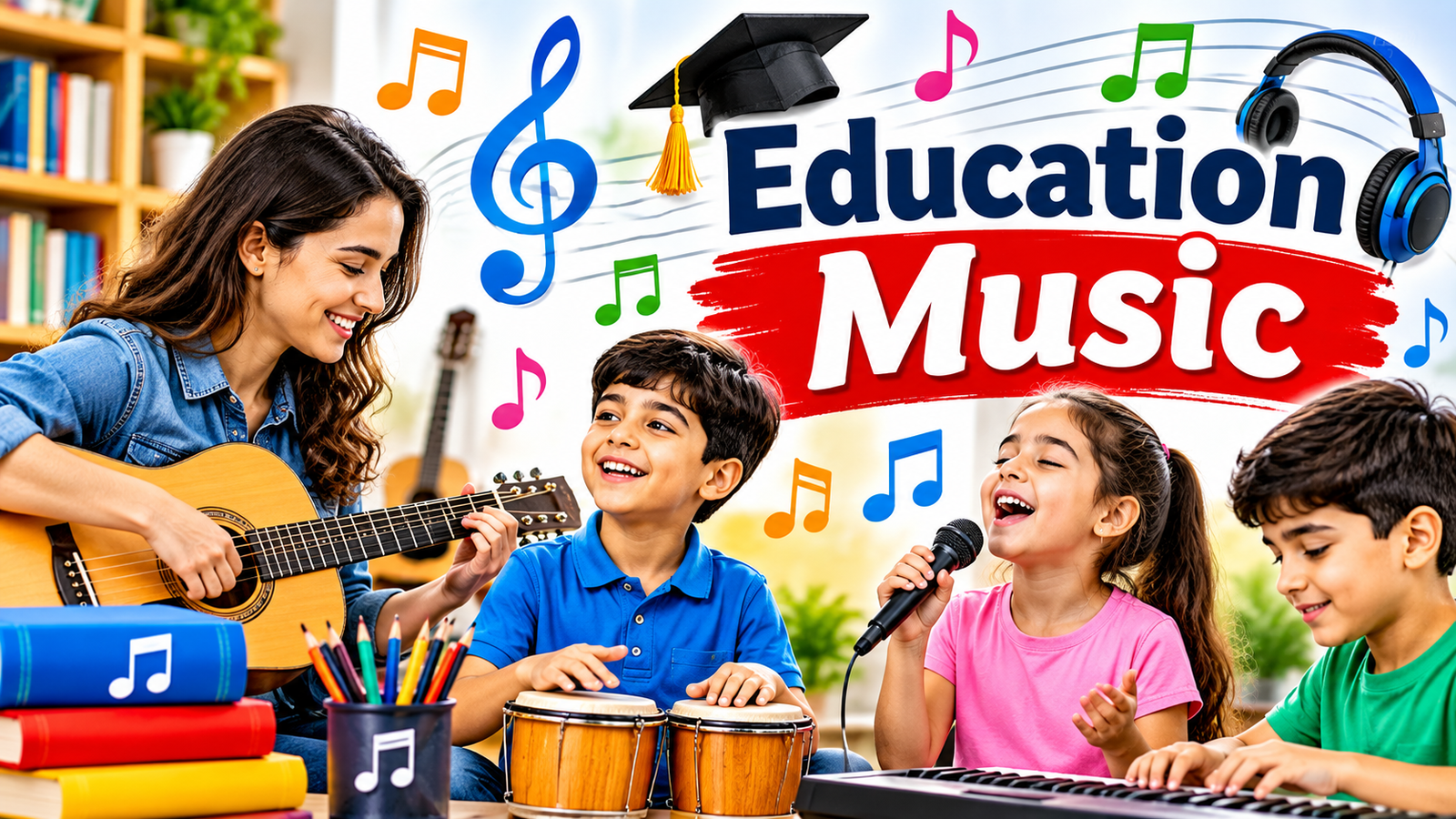
Music is an important part of human culture, communication, and personal expression. It brings people together, creates emotional connections, and provides a meaningful way to understand the world. Beyond entertainment, music also plays a valuable role in education by helping students develop creativity, discipline, confidence, and critical thinking skills. Through music education, learners gain opportunities to explore different instruments, understand musical concepts, improve listening abilities, and express themselves through sound.
Music learning is not limited to students who want to become professional singers or musicians. It can benefit people of different ages, backgrounds, and skill levels. From early childhood classrooms to colleges, community programs, and private lessons, music creates an engaging learning environment that supports both academic and personal development.
What Is Music Education?
Music education is the process of teaching and learning music through structured lessons, practical activities, listening exercises, and creative experiences. It helps learners understand essential musical elements such as rhythm, melody, harmony, pitch, tempo, and musical notation.
Students may learn to sing, play instruments, read music, compose original pieces, or understand the history and cultural importance of different musical traditions.
The main areas of music education
- Instrumental learning: Developing practical skills with instruments such as piano, guitar, violin, drums, and flute.
- Vocal training: Learning singing techniques, breathing control, pitch accuracy, and vocal expression.
- Music theory: Understanding notes, scales, chords, rhythm, and musical structures.
- Music history: Exploring composers, musical movements, and traditions from different periods.
- Composition: Creating original melodies, songs, and musical arrangements.
- Music appreciation: Learning to recognize and understand different genres, styles, and cultural influences.
These areas work together to provide students with a balanced understanding of music.
Why Music Education Is Important
Music can make learning more interactive and enjoyable. It gives students an opportunity to participate actively rather than simply receiving information. When learners practice an instrument or perform a song, they develop skills through repetition, observation, and experimentation.
Improving creativity
Music encourages students to explore new ideas and express their imagination. Writing lyrics, composing melodies, and experimenting with sounds allow learners to think creatively. These experiences can also help them approach challenges in other subjects with greater flexibility.
Building confidence
Performing in front of classmates, teachers, or audiences can help students become more comfortable expressing themselves. Regular practice and positive feedback also create a sense of achievement.
Developing discipline
Learning an instrument requires patience and consistent effort. Students must practice regularly, correct mistakes, and gradually improve their performance. These habits can support better time management and self-discipline.
Strengthening communication
Group singing, ensembles, and musical performances encourage students to listen carefully and cooperate with others. They learn how individual contributions can support a shared goal.
Benefits of Music Education for Children
Introducing music during childhood can create valuable learning experiences. Young children often respond naturally to sounds, rhythms, and songs. Educational activities involving music can make classrooms more engaging while supporting important developmental skills.
Language and listening development
Songs introduce children to new words, sounds, pronunciation patterns, and repetition. Singing and listening exercises can encourage attention to language and improve auditory awareness.
Motor skill development
Playing simple instruments, clapping rhythms, and moving to music help children coordinate their physical movements. Activities involving instruments such as drums, keyboards, or small percussion tools provide opportunities to practice hand-eye coordination.
Social interaction
Group music activities teach children how to take turns, follow instructions, cooperate, and respect other participants. These experiences can support positive classroom relationships.
Emotional expression
Music gives children a way to communicate feelings that may be difficult to explain through words. Singing, dancing, and playing instruments can become healthy forms of self-expression.
Music Education in Schools and Colleges
Schools play an important role in making music learning accessible to students. A well-organized music program can include classroom lessons, instrument training, choir activities, school bands, and cultural performances.
Classroom music programs
Elementary schools may introduce students to basic rhythm, singing, movement, and musical instruments. As students progress, lessons can include music reading, composition, and more advanced performance techniques.
School bands and choirs
Participating in a band or choir gives students practical experience working as a team. They learn how to follow a conductor, maintain timing, listen to other performers, and prepare for public performances.
Higher education opportunities
Colleges and universities offer specialized programs in music performance, music production, composition, music theory, conducting, and music education. These programs help students develop professional knowledge and practical experience.
Different Methods of Teaching Music
Every learner has different interests, abilities, and learning preferences. Music teachers can use different teaching methods to make lessons more effective and enjoyable.
Practical learning
Students learn by playing instruments, singing, practicing rhythms, and performing musical exercises. This approach helps connect theoretical knowledge with real musical experience.
Listening-based learning
Teachers introduce different musical styles and ask students to identify instruments, rhythms, patterns, and emotional qualities. Listening activities improve musical awareness and attention to detail.
Group-based learning
Ensemble activities, group singing, and collaborative composition encourage students to learn from one another. They also develop cooperation and shared responsibility.
Technology-supported learning
Digital tools can help students record performances, explore virtual instruments, study music theory, and create compositions. Educational software and online lessons can make music resources more accessible.
The Role of Technology in Modern Music Education
Technology has changed how music is taught, practiced, recorded, and shared. Students no longer need to depend entirely on traditional classroom resources to explore musical ideas.
Digital audio workstations allow learners to create and edit recordings. Music notation software helps students write and arrange compositions. Online tutorials and virtual classes provide additional learning opportunities for people who cannot attend in-person lessons.
Popular uses of technology include:
- Digital keyboards and virtual instruments for practical exercises.
- Recording software for reviewing performances.
- Music theory applications for learning notes and chords.
- Online lessons for flexible learning schedules.
- Audio editing tools for understanding music production.
- Digital libraries for discovering music from different cultures.
Technology can support traditional teaching methods, but it does not replace the importance of regular practice, teacher guidance, and real musical interaction.
Career Opportunities in Music
Music education can prepare learners for several professional paths. While some students choose careers as performers, others work in teaching, production, technology, research, and entertainment.
Music teacher: Teaches singing, instruments, music theory, or general music appreciation in schools and private institutions.
Professional musician: Performs as a solo artist or works with bands, orchestras, studios, and live entertainment organizations.
Music producer: Helps create recordings by arranging, recording, editing, and improving musical performances.
Composer and songwriter: Develops original music for albums, films, television, games, advertisements, and other creative projects.
Sound engineer: Works with recording equipment, audio systems, mixing, and sound quality.
Music therapist: Uses music-based activities as part of professional therapeutic practice, with appropriate education and qualifications.
Students interested in these careers can benefit from combining musical training with communication, technology, business, and performance skills.
Challenges in Accessing Music Education
Although music offers many benefits, not every student has equal access to quality music programs. Some schools have limited budgets, insufficient instruments, or a shortage of trained teachers.
The cost of private lessons and musical equipment can also prevent families from providing additional learning opportunities.
Making music education more accessible
Schools can introduce affordable group lessons, shared instruments, community music programs, and partnerships with local cultural organizations. Online learning resources may also help students explore music when traditional programs are unavailable.
Teachers should create inclusive classrooms where students with different abilities and experience levels can participate. The goal should be to encourage learning and creativity rather than focusing only on performance excellence.
How Parents Can Encourage Music Learning at Home
Parents can support musical development without requiring expensive equipment or professional training. Simple activities can introduce children to music and help them develop an interest in learning.
- Play different types of music and discuss what children hear.
- Encourage singing and rhythm-based games.
- Provide access to age-appropriate instruments.
- Support regular practice without creating unnecessary pressure.
- Attend school concerts and local musical performances.
- Allow children to explore different musical styles.
The most important factor is creating a positive environment where children feel comfortable experimenting, making mistakes, and improving their skills.
The Future of Music Education
The future of music learning will likely involve a combination of traditional instruction and modern technology. Virtual classrooms, interactive applications, digital recording tools, and artificial intelligence-supported learning resources are creating new ways to explore music.
At the same time, live performances, instrument practice, group collaboration, and direct teacher guidance will remain essential. Music is a creative and social experience, so personal interaction continues to play an important role.
Educational institutions can also give greater attention to global musical traditions. Introducing students to classical, folk, contemporary, and international music can help them appreciate cultural diversity and develop a broader understanding of artistic expression.
Conclusion
Music education provides more than the ability to sing or play an instrument. It encourages creativity, strengthens confidence, develops discipline, and creates opportunities for meaningful social interaction. From childhood classrooms to professional training programs, music can support learning at every stage of life. By combining practical instruction, cultural exploration, and modern technology, schools and communities can make musical experiences more accessible. Investing in music learning helps individuals discover their creative potential while developing skills that can remain valuable throughout their lives.
Frequently Asked Questions
1. What is music education?
Music education is the process of learning about music through singing, playing instruments, music theory, composition, listening, and performance.
2. Why is music education important for students?
It supports creativity, confidence, listening skills, discipline, teamwork, and personal expression.
3. At what age should children start learning music?
Children can begin exploring music through songs, rhythm games, and simple instruments at an early age. Formal lessons can start when they are ready for structured instruction.
4. Can music education improve academic skills?
Music activities can support attention, memory, listening, and problem-solving. However, academic benefits vary, and music should be valued for its own educational and creative importance.
5. What careers can students pursue after studying music?
Students can explore careers in teaching, performance, composition, songwriting, music production, sound engineering, and other areas of the music industry.