
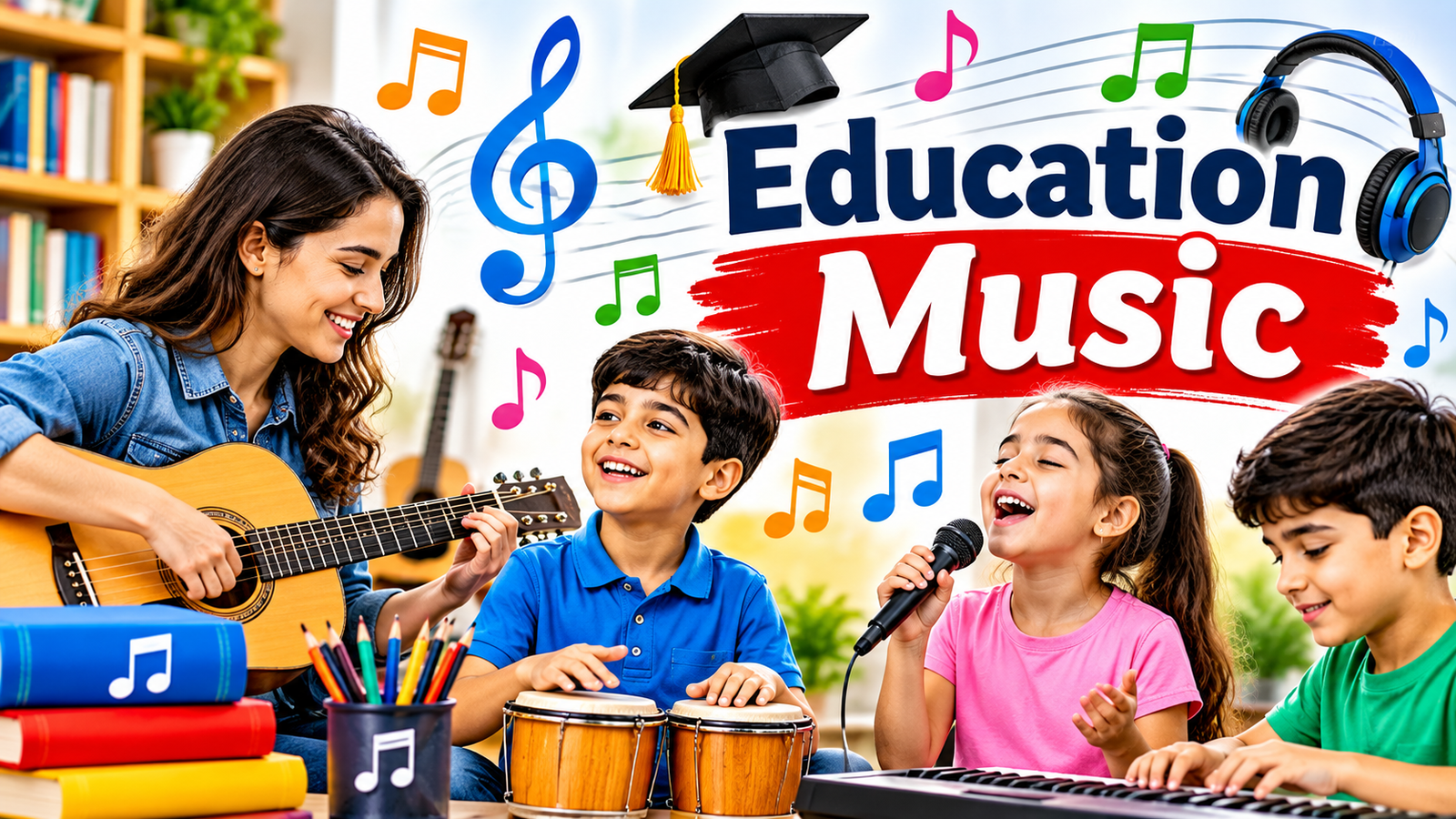
Music is an important part of human culture, communication, and personal expression. It brings people together, creates emotional connections, and provides a meaningful way to understand the world. Beyond entertainment, music also plays a valuable role in education by helping students develop creativity, discipline, confidence, and critical thinking skills. Through music education, learners gain opportunities to explore different instruments, understand musical concepts, improve listening abilities, and express themselves through sound. Music learning is not limited to students who want to become professional singers or musicians. It can benefit people of different ages, backgrounds, and skill levels. From early childhood classrooms to colleges, community programs, and private lessons, music creates an engaging learning environment that supports both academic and personal development. What Is Music Education? Music education is the process of teaching and learning music through structured lessons, practical activities, listening exercises, and creative experiences. It helps learners understand essential musical elements such as rhythm, melody, harmony, pitch, tempo, and musical notation. Students may learn to sing, play instruments, read music, compose original pieces, or understand the history and cultural importance of different musical traditions. The main areas of music education These areas work together to provide students with a balanced understanding of music. Why Music Education Is Important Music can make learning more interactive and enjoyable. It gives students an opportunity to participate actively rather than simply receiving information. When learners practice an instrument or perform a song, they develop skills through repetition, observation, and experimentation. Improving creativity Music encourages students to explore new ideas and express their imagination. Writing lyrics, composing melodies, and experimenting with sounds allow learners to think creatively. These experiences can also help them approach challenges in other subjects with greater flexibility. Building confidence Performing in front of classmates, teachers, or audiences can help students become more comfortable expressing themselves. Regular practice and positive feedback also create a sense of achievement. Developing discipline Learning an instrument requires patience and consistent effort. Students must practice regularly, correct mistakes, and gradually improve their performance. These habits can support better time management and self-discipline. Strengthening communication Group singing, ensembles, and musical performances encourage students to listen carefully and cooperate with others. They learn how individual contributions can support a shared goal. Benefits of Music Education for Children Introducing music during childhood can create valuable learning experiences. Young children often respond naturally to sounds, rhythms, and songs. Educational activities involving music can make classrooms more engaging while supporting important developmental skills. Language and listening development Songs introduce children to new words, sounds, pronunciation patterns, and repetition. Singing and listening exercises can encourage attention to language and improve auditory awareness. Motor skill development Playing simple instruments, clapping rhythms, and moving to music help children coordinate their physical movements. Activities involving instruments such as drums, keyboards, or small percussion tools provide opportunities to practice hand-eye coordination. Social interaction Group music activities teach children how to take turns, follow instructions, cooperate, and respect other participants. These experiences can support positive classroom relationships. Emotional expression Music gives children a way to communicate feelings that may be difficult to explain through words. Singing, dancing, and playing instruments can become healthy forms of self-expression. Music Education in Schools and Colleges Schools play an important role in making music learning accessible to students. A well-organized music program can include classroom lessons, instrument training, choir activities, school bands, and cultural performances. Classroom music programs Elementary schools may introduce students to basic rhythm, singing, movement, and musical instruments. As students progress, lessons can include music reading, composition, and more advanced performance techniques. School bands and choirs Participating in a band or choir gives students practical experience working as a team. They learn how to follow a conductor, maintain timing, listen to other performers, and prepare for public performances. Higher education opportunities Colleges and universities offer specialized programs in music performance, music production, composition, music theory, conducting, and music education. These programs help students develop professional knowledge and practical experience. Different Methods of Teaching Music Every learner has different interests, abilities, and learning preferences. Music teachers can use different teaching methods to make lessons more effective and enjoyable. Practical learning Students learn by playing instruments, singing, practicing rhythms, and performing musical exercises. This approach helps connect theoretical knowledge with real musical experience. Listening-based learning Teachers introduce different musical styles and ask students to identify instruments, rhythms, patterns, and emotional qualities. Listening activities improve musical awareness and attention to detail. Group-based learning Ensemble activities, group singing, and collaborative composition encourage students to learn from one another. They also develop cooperation and shared responsibility. Technology-supported learning Digital tools can help students record performances, explore virtual instruments, study music theory, and create compositions. Educational software and online lessons can make music resources more accessible. The Role of Technology in Modern Music Education Technology has changed how music is taught, practiced, recorded, and shared. Students no longer need to depend entirely on traditional classroom resources to explore musical ideas. Digital audio workstations allow learners to create and edit recordings. Music notation software helps students write and arrange compositions. Online tutorials and virtual classes provide additional learning opportunities for people who cannot attend in-person lessons. Popular uses of technology include: Technology can support traditional teaching methods, but it does not replace the importance of regular practice, teacher guidance, and real musical interaction. Career Opportunities in Music Music education can prepare learners for several professional paths. While some students choose careers as performers, others work in teaching, production, technology, research, and entertainment. Music teacher: Teaches singing, instruments, music theory, or general music appreciation in schools and private institutions. Professional musician: Performs as a solo artist or works with bands, orchestras, studios, and live entertainment organizations. Music producer: Helps create recordings by arranging, recording, editing, and improving musical performances. Composer and songwriter: Develops original music for albums, films, television, games, advertisements, and other creative projects. Sound engineer: Works with recording equipment, audio systems, mixing, and sound quality. Music therapist: Uses music-based activities as part of professional