
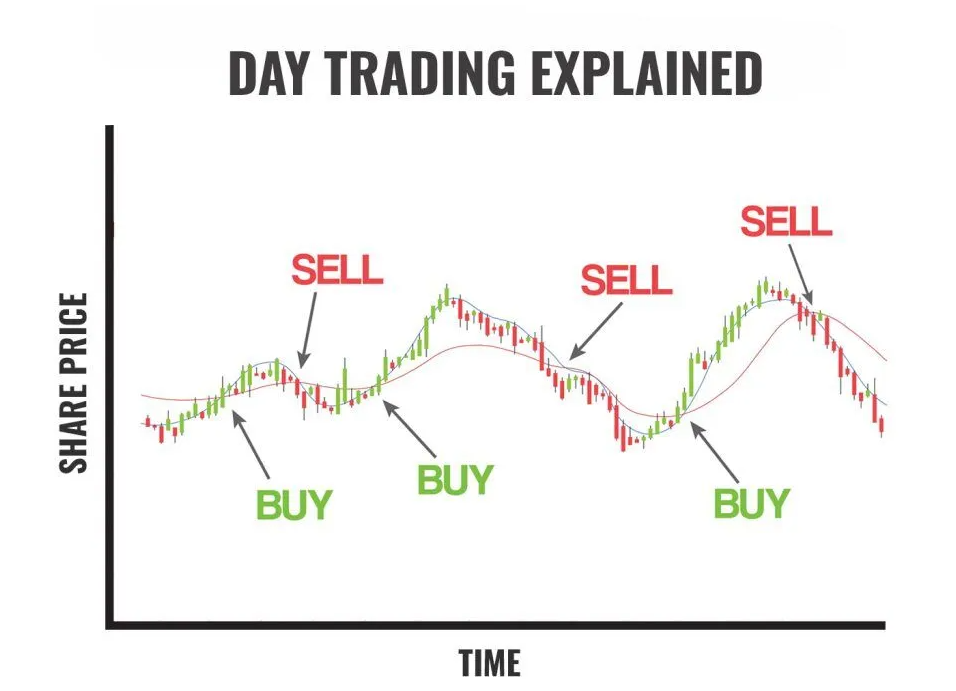
If you are interested in stock markets, you may eventually ask, how old do you have to be to day trade? Day trading can seem appealing because it involves buying and selling financial assets over short periods, sometimes within the same trading day. However, age is an important consideration because opening and controlling a brokerage account generally requires you to meet certain legal and brokerage requirements.
For people in the United States, the practical minimum age for independently opening a standard brokerage account is generally 18, although the exact requirements can depend on the brokerage, account type, state law, and financial product involved. Minors may have access to certain custodial or specialized accounts, but those accounts do not necessarily provide the same control as an adult brokerage account.
Age is also only one part of the picture. Day traders need to understand brokerage requirements, trading rules, account minimums, taxes, risk, and the differences between cash and margin accounts.
This guide explains how old you have to be to day trade, what minors can do, how custodial accounts work, and what new traders should understand before putting money into the market.
How Old Do You Have to Be to Day Trade?
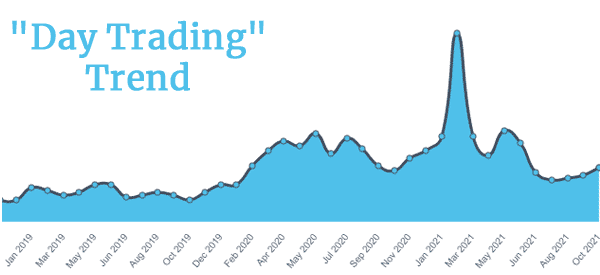
For someone in the United States who wants to independently open a regular brokerage account, 18 is generally the important age threshold. At that age, an individual can generally enter into financial agreements and open an investment account in their own name, subject to the brokerage’s requirements.
However, being 18 does not automatically mean that you can day trade without restrictions. Your brokerage may have additional requirements, and trading certain products may involve additional eligibility standards.
Day trading also has specific regulatory requirements. For example, FINRA’s rules impose special requirements on customers classified as pattern day traders, including a $25,000 minimum equity requirement.
Therefore, the answer to “how old do you have to be to day trade” is only the first part of understanding whether you can actually begin trading.
Can You Day Trade If You Are Under 18?
Minors generally cannot simply open a standard brokerage account and independently trade securities in the same way as an adult. However, there are account structures designed to allow minors to invest with the involvement of a parent, guardian, or other authorized adult.
A custodial account is one common example. In a custodial arrangement, an adult custodian manages the account for the benefit of the minor until the applicable transfer age under state law.
The exact investment options available through a custodial account depend on the brokerage and account structure. A custodial account should not automatically be assumed to provide unrestricted day-trading access.
If you are under 18 and interested in learning about trading, you can also spend time developing market knowledge before using real money. Understanding stocks, orders, risk management, financial statements, and market volatility can be valuable regardless of your age.
What Is a Custodial Brokerage Account?
A custodial brokerage account allows an adult to manage investments on behalf of a minor. The minor is the beneficiary, but the custodian generally controls the account while the child is under the applicable age.
This structure can allow young people to participate indirectly in investing before they reach adulthood. However, it is different from having complete control over a personal brokerage account.
Parents or guardians considering a custodial account should review the brokerage’s rules and understand which securities and transactions are permitted.
If the goal is specifically day trading, it is especially important to ask the brokerage whether the account type supports the intended activity. A regular custodial investment account should not automatically be treated as a day-trading account.
Can a 16-Year-Old Day Trade?
A 16-year-old generally cannot independently open a standard brokerage account and day trade stocks under their own authority in the same way an adult can.
A parent or guardian may be able to establish an appropriate account structure for a minor, depending on the brokerage and applicable law. However, that does not necessarily mean the minor can independently execute unlimited day trades.
For teenagers interested in financial markets, a more practical approach can be to focus on education, simulated trading, and learning how markets operate. Paper-trading platforms can allow beginners to practice strategies without risking actual capital.
The rules surrounding minor accounts can vary, so families should verify the specific requirements with the brokerage before opening an account.
Can a 17-Year-Old Day Trade?
At 17, you are still legally a minor in most U.S. contexts, so you generally cannot independently operate a standard brokerage account as an adult account holder.
Some investment account structures allow a parent or guardian to manage investments for a minor. However, the ability to buy and sell frequently depends on the account’s terms and the brokerage’s policies.
If you are approaching 18, using the time before adulthood to learn about markets can be useful. By the time you are eligible for your own brokerage account, you can have a better understanding of market orders, volatility, risk, and trading costs.
Can You Day Trade at 18?
Once you reach 18, you can generally become eligible to open a brokerage account in your own name, assuming you satisfy the brokerage’s other requirements.
However, being 18 does not eliminate the financial risks of day trading. A new adult trader still needs to understand the difference between cash and margin accounts, the risks of leverage, commissions and fees, taxes, and applicable trading rules.
FINRA specifically warns that day trading can be extremely risky and states that traders should be prepared to lose the funds used for day trading.
Therefore, reaching the minimum age should be viewed as an eligibility milestone rather than a signal that someone is financially prepared to trade.
What Is the Pattern Day Trader Rule?
The pattern day trader concept is particularly important for people researching day trading in the United States.
Under FINRA’s current rules, a customer who executes four or more day trades within five business days can be classified as a pattern day trader, subject to the applicable definition and conditions. Pattern day traders are subject to a $25,000 minimum equity requirement.
The $25,000 requirement is separate from the minimum age question. Someone could be old enough to open a brokerage account but still be unable to continue pattern day trading in a margin account if the applicable minimum equity requirement is not satisfied.
Brokerage firms can also impose requirements that are stricter than regulatory minimums.
Do You Need $25,000 to Day Trade?
The answer depends on the type of account and trading activity.
Under FINRA’s pattern day trader rules, a customer classified as a pattern day trader must maintain at least $25,000 in account equity.
This does not mean that every transaction described as day trading requires exactly $25,000 in every possible account structure. Cash accounts, different financial products, and different trading arrangements can be subject to different rules.
However, anyone planning frequent stock day trading should understand the $25,000 pattern-day-trader requirement before opening an account or developing a trading strategy.
Can You Day Trade With a Cash Account?
Cash accounts operate differently from margin accounts because they generally require you to use available cash rather than borrowing money from the brokerage.
A cash account can therefore have different limitations and settlement considerations than a margin account. The ability to make frequent trades does not mean that the account is free from restrictions.
For example, traders need to understand when funds become available for additional transactions and avoid transactions that violate applicable brokerage or securities rules.
A cash account also does not eliminate investment risk. A trader can still lose money even without using borrowed funds.
Is Day Trading Legal for Teenagers?
Being interested in day trading as a teenager is not itself illegal. The issue is whether you have an account structure that legally and contractually permits the activity.
Minors generally require an adult to establish or control certain financial accounts. The exact rules can depend on the type of account, state law, brokerage policies, and the financial products being traded.
Teenagers should avoid attempting to bypass age restrictions by providing false information when opening an account. Financial institutions can require identity verification, and inaccurate information can create serious account problems.
Instead, young people can learn about investing through educational resources, market simulations, and discussions with parents or guardians.
What Should You Learn Before Day Trading?
Age is only one factor in determining whether someone is ready to trade. Financial knowledge is equally important.
Before placing real trades, learn how stocks and exchange-traded funds work, how market and limit orders differ, how bid and ask prices work, and how market volatility can affect a position.
You should also understand position sizing and risk management. A small percentage move in a stock can create a significant dollar gain or loss when a large position is involved.
Margin trading introduces additional risks because borrowed funds can increase both potential gains and potential losses.
Why Is Day Trading Risky?
Day trading can involve rapid price movements and frequent decisions. A trader may experience losses within minutes, particularly when trading volatile securities or using leverage.
FINRA notes that day trading can be extremely risky and says it generally is not appropriate for people with limited resources, limited trading experience, or low risk tolerance. It also advises against funding day trading with money needed for living expenses, education, emergency funds, or other essential financial goals.
This is important for younger traders in particular because having enough money to open an account does not necessarily mean you can afford to lose that money.
Can You Practice Day Trading Before You Turn 18?
Yes, you can learn and practice trading concepts before becoming legally eligible for your own standard brokerage account.
Paper trading, also called simulated trading, allows you to practice buying and selling securities using simulated funds. It can help beginners learn how orders work and how market prices move.
You can also study historical charts, read company financial reports, learn basic technical and fundamental analysis, and practice creating hypothetical trading plans.
However, simulated trading does not perfectly reproduce the emotional pressure of risking real money. A successful paper-trading result should not be treated as proof that a real-money strategy will be profitable.
How Much Money Should a Beginner Use?
There is no universal amount that every beginner should use for day trading. The appropriate amount depends on financial circumstances, risk tolerance, account rules, and personal goals.
The key principle is that money needed for rent, food, emergency expenses, education, debt payments, or other essential obligations should not be placed at risk for speculative trading.
FINRA specifically cautions against using emergency funds, student loans, retirement savings, or money needed for living expenses to fund day trading.
Someone who cannot afford to lose their trading capital may want to focus on education and simulated trading rather than putting essential money into a trading account.
What Are the Costs of Day Trading?
Day trading involves more than simply predicting whether a stock will rise or fall. Trading costs can reduce returns, especially when many transactions are made.
Potential costs can include bid-ask spreads, commissions where applicable, regulatory fees, margin interest, market-data costs, and other brokerage charges.
Even if a brokerage advertises commission-free stock trading, other costs may still exist. Frequent trading can also create tax-reporting obligations.
Understanding the complete cost structure of an account is therefore important before beginning a trading strategy.
How Does Age Affect Trading Taxes?
Turning 18 does not automatically determine how much tax you will pay on trading profits. Tax treatment depends on factors such as the type of account, investment, holding period, income, jurisdiction, and individual circumstances.
Profits and losses from trading can have tax consequences, and frequent trading can create complicated records.
Anyone generating significant trading activity should maintain accurate records and consider consulting a qualified tax professional for advice specific to their situation.
What Should Parents Know About Teenagers and Trading?
Parents or guardians whose teenagers are interested in trading can help by focusing on education and risk awareness rather than simply providing trading capital.
Young investors can learn about budgeting, saving, compound growth, diversification, investing, and risk before moving into speculative short-term trading.
Parents should also understand the legal structure of any account they open for a minor and know who has control over the assets.
If a teenager wants to learn day trading, simulated trading can provide an opportunity to practice without immediately exposing family money to market losses.
What Is the Difference Between Investing and Day Trading?
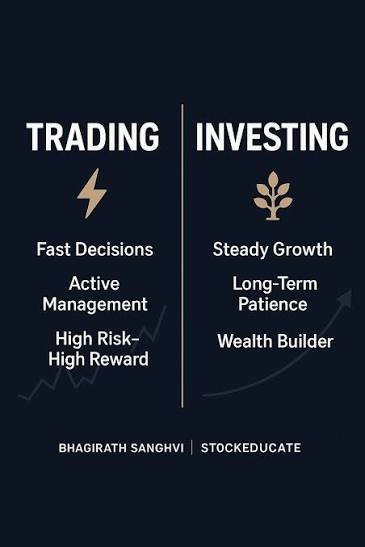
Long-term investing and day trading have very different time horizons.
Long-term investors may hold stocks, funds, or other assets for years and generally focus on long-term growth, income, diversification, and financial goals.
Day traders attempt to profit from short-term price movements, often opening and closing positions within the same trading session.
Neither approach eliminates risk, but day trading typically requires more frequent decisions and closer attention to market movements. FINRA emphasizes that day trading can be particularly risky and requires knowledge of the securities markets and the brokerage’s trading systems.
How Can You Get Ready to Day Trade at 18?
If you are approaching 18 and want to day trade, use the time beforehand to build your knowledge.
Learn basic market terminology, understand order types, study risk management, and become familiar with the brokerage accounts available to you.
You can also create a hypothetical trading plan that defines how much you would risk on a trade, what conditions would cause you to enter or exit, and how you would track your results.
When you eventually become eligible for an individual brokerage account, read the firm’s agreements and trading requirements carefully before placing real-money trades.
Frequently Asked Questions About How Old You Have to Be to Day Trade
How old do you have to be to day trade? In the United States, 18 is generally the key age for independently opening a standard brokerage account, although specific brokerage and account requirements can vary.
Can you day trade if you are under 18? Minors generally cannot independently operate a standard adult brokerage account, but certain custodial or minor investment accounts may be available through a parent or guardian. Trading capabilities depend on the account and brokerage.
Can a 16-year-old day trade stocks? A 16-year-old generally cannot independently open and control a standard brokerage account. A parent or guardian may be able to establish a permitted account structure, but frequent day trading may not be supported.
Can a 17-year-old trade stocks? A 17-year-old may be able to invest through certain minor or custodial accounts, depending on the brokerage and applicable law. Independent adult brokerage access generally begins at 18.
Can you day trade at 18? Generally, reaching 18 allows you to become eligible for an individual brokerage account, subject to the firm’s requirements. Other day-trading rules and financial requirements still apply.
Do you need $25,000 to day trade? A pattern day trader subject to FINRA’s margin rules must maintain $25,000 in account equity. The requirements can differ depending on account type and trading activity.
Can teenagers learn day trading without risking money? Yes. Paper trading and other educational tools can help teenagers learn trading concepts without putting real capital at risk.
Is day trading risky? Yes. FINRA describes day trading as extremely risky and warns that traders should be prepared to lose the funds they use for day trading.
Final Thoughts on How Old You Have to Be to Day Trade
So, how old do you have to be to day trade? In the United States, 18 is generally the important age for independently opening a standard brokerage account. However, age alone does not determine whether you can actively day trade.
Account type, brokerage requirements, trading activity, available capital, and regulatory rules all matter. Pattern day traders subject to FINRA’s requirements must maintain $25,000 in account equity, while different account structures can have different rules.
For anyone under 18, learning about markets through education and simulated trading can be a way to develop knowledge before becoming eligible for an individual brokerage account. For new adult traders, understanding risk, account requirements, taxes, and trading costs is essential before committing real money.
Day trading should be approached as a high-risk financial activity rather than a guaranteed way to make money.