
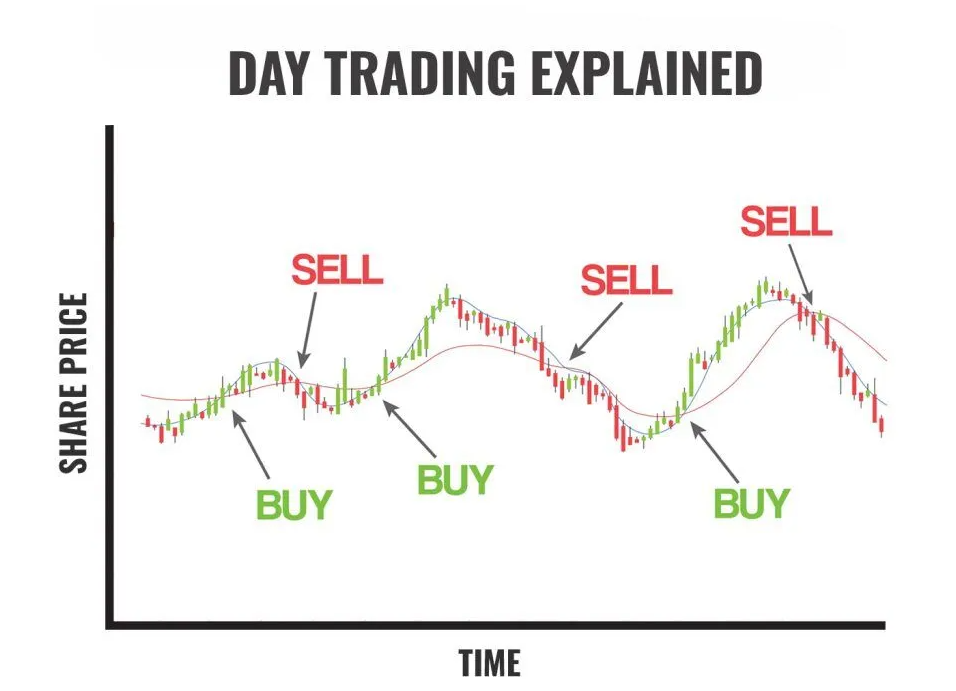
If you are interested in stock markets, you may eventually ask, how old do you have to be to day trade? Day trading can seem appealing because it involves buying and selling financial assets over short periods, sometimes within the same trading day. However, age is an important consideration because opening and controlling a brokerage account generally requires you to meet certain legal and brokerage requirements. For people in the United States, the practical minimum age for independently opening a standard brokerage account is generally 18, although the exact requirements can depend on the brokerage, account type, state law, and financial product involved. Minors may have access to certain custodial or specialized accounts, but those accounts do not necessarily provide the same control as an adult brokerage account. Age is also only one part of the picture. Day traders need to understand brokerage requirements, trading rules, account minimums, taxes, risk, and the differences between cash and margin accounts. This guide explains how old you have to be to day trade, what minors can do, how custodial accounts work, and what new traders should understand before putting money into the market. How Old Do You Have to Be to Day Trade? For someone in the United States who wants to independently open a regular brokerage account, 18 is generally the important age threshold. At that age, an individual can generally enter into financial agreements and open an investment account in their own name, subject to the brokerage’s requirements. However, being 18 does not automatically mean that you can day trade without restrictions. Your brokerage may have additional requirements, and trading certain products may involve additional eligibility standards. Day trading also has specific regulatory requirements. For example, FINRA’s rules impose special requirements on customers classified as pattern day traders, including a $25,000 minimum equity requirement. Therefore, the answer to “how old do you have to be to day trade” is only the first part of understanding whether you can actually begin trading. Can You Day Trade If You Are Under 18? Minors generally cannot simply open a standard brokerage account and independently trade securities in the same way as an adult. However, there are account structures designed to allow minors to invest with the involvement of a parent, guardian, or other authorized adult. A custodial account is one common example. In a custodial arrangement, an adult custodian manages the account for the benefit of the minor until the applicable transfer age under state law. The exact investment options available through a custodial account depend on the brokerage and account structure. A custodial account should not automatically be assumed to provide unrestricted day-trading access. If you are under 18 and interested in learning about trading, you can also spend time developing market knowledge before using real money. Understanding stocks, orders, risk management, financial statements, and market volatility can be valuable regardless of your age. What Is a Custodial Brokerage Account? A custodial brokerage account allows an adult to manage investments on behalf of a minor. The minor is the beneficiary, but the custodian generally controls the account while the child is under the applicable age. This structure can allow young people to participate indirectly in investing before they reach adulthood. However, it is different from having complete control over a personal brokerage account. Parents or guardians considering a custodial account should review the brokerage’s rules and understand which securities and transactions are permitted. If the goal is specifically day trading, it is especially important to ask the brokerage whether the account type supports the intended activity. A regular custodial investment account should not automatically be treated as a day-trading account. Can a 16-Year-Old Day Trade? A 16-year-old generally cannot independently open a standard brokerage account and day trade stocks under their own authority in the same way an adult can. A parent or guardian may be able to establish an appropriate account structure for a minor, depending on the brokerage and applicable law. However, that does not necessarily mean the minor can independently execute unlimited day trades. For teenagers interested in financial markets, a more practical approach can be to focus on education, simulated trading, and learning how markets operate. Paper-trading platforms can allow beginners to practice strategies without risking actual capital. The rules surrounding minor accounts can vary, so families should verify the specific requirements with the brokerage before opening an account. Can a 17-Year-Old Day Trade? At 17, you are still legally a minor in most U.S. contexts, so you generally cannot independently operate a standard brokerage account as an adult account holder. Some investment account structures allow a parent or guardian to manage investments for a minor. However, the ability to buy and sell frequently depends on the account’s terms and the brokerage’s policies. If you are approaching 18, using the time before adulthood to learn about markets can be useful. By the time you are eligible for your own brokerage account, you can have a better understanding of market orders, volatility, risk, and trading costs. Can You Day Trade at 18? Once you reach 18, you can generally become eligible to open a brokerage account in your own name, assuming you satisfy the brokerage’s other requirements. However, being 18 does not eliminate the financial risks of day trading. A new adult trader still needs to understand the difference between cash and margin accounts, the risks of leverage, commissions and fees, taxes, and applicable trading rules. FINRA specifically warns that day trading can be extremely risky and states that traders should be prepared to lose the funds used for day trading. Therefore, reaching the minimum age should be viewed as an eligibility milestone rather than a signal that someone is financially prepared to trade. What Is the Pattern Day Trader Rule? The pattern day trader concept is particularly important for people researching day trading in the United States. Under FINRA’s current rules, a customer who executes four or more day trades within five business days can be classified as