

Buy Now, Pay Later (BNPL) services have become increasingly popular because they allow customers to purchase products immediately and pay for them through smaller installments. Instead of paying the full price at checkout, shoppers can divide their purchases into multiple payments over a few weeks or months. Services such as Afterpay, Klarna, Affirm, and other installment payment providers offer different payment options. Although these services can make shopping more convenient, many customers have an important question: does buy now pay later affect credit score? What Is Buy Now, Pay Later? Buy Now, Pay Later is a payment method that allows customers to purchase products or services immediately and repay the amount over an agreed period. Instead of paying the full purchase price at once, customers make smaller scheduled payments. Depending on the provider, these payments may be divided into four installments or spread over several months. For example, imagine purchasing a laptop worth $800 through a four-payment BNPL plan. The payment structure depends on the provider and the agreement. Some plans are interest-free when payments are made on time, while longer-term financing options may include interest or other charges. Popular Buy Now, Pay Later Providers Some well-known BNPL providers include: Each company has its own eligibility rules, credit-check procedures, payment schedules, and reporting policies. Does Buy Now Pay Later Affect Credit Score? Yes, Buy Now, Pay Later can affect your credit score, but not every BNPL service affects credit reports in the same way. Some providers may perform a soft credit check when you sign up or apply for a payment plan. Others may perform a hard inquiry for certain financing products. Payment reporting also varies. Some companies report account information and repayment activity to credit bureaus, while others do not report standard short-term installment plans. Here are the main ways BNPL can influence your credit profile: Credit Checks A BNPL provider may review your credit information before approving a purchase or financing application. A soft inquiry generally does not lower your credit score. A hard inquiry may temporarily reduce it. Payment History Some providers report repayment activity to credit bureaus. If they do, on-time payments may contribute to your credit history, while reported late payments may negatively affect it. Outstanding Debt Certain lenders may consider your existing installment obligations when assessing your ability to repay additional borrowing. Debt Collection If you fail to repay an outstanding balance, the account may eventually be referred to a collection agency. Depending on the reporting rules and circumstances, collection activity may appear on your credit report. How Buy Now, Pay Later Services Affect Credit Scores Different BNPL companies use different credit assessment and reporting practices. It is important to understand the provider’s policies before choosing a payment plan. 1. Afterpay Afterpay’s standard US Pay in 4 service generally does not report payment activity to US credit bureaus. Its standard signup process may involve a soft credit check, which does not lower a credit score. However, Afterpay’s Pay Monthly product has different financing terms and may involve a credit check. Customers should review the specific agreement before applying. 2. Klarna Klarna offers several payment products, and their credit-check and reporting practices can differ. Some short-term payment options may use soft credit checks, while certain financing products may involve hard inquiries. Reporting policies can also depend on the product and country. Customers should check the terms of their selected Klarna payment option rather than assuming every purchase has the same effect. 3. Affirm Affirm offers different installment and financing products. Depending on the product, it may use a soft inquiry during eligibility checks and may report payment information to one or more credit bureaus. Certain longer-term financing arrangements can have a more direct relationship with credit reporting than standard short-term payment plans. Always review the disclosures for the particular loan before accepting it. 4. PayPal Pay Later PayPal offers different Pay Later products in eligible markets. Credit checks and reporting practices depend on the specific product and location. Some short-term products may use a soft inquiry, while longer-term financing may involve different credit assessment procedures. Review the payment agreement carefully to understand the possible effects on your credit report. Does Buy Now, Pay Later Help Build Credit? Buy Now, Pay Later can help build credit in certain situations, but it is not guaranteed. The main factor is whether the provider reports your account and payment activity to credit bureaus. If a BNPL provider reports positive payment history, making scheduled payments on time may help establish a record of responsible repayment. However, if the provider does not report standard payment activity, completing every installment may not improve your traditional credit score. When BNPL May Help When BNPL May Not Help If your primary goal is building credit, consider financial products specifically designed to establish credit history and that report payments to the relevant bureaus. What Happens If You Miss a Buy Now, Pay Later Payment? Missing a BNPL payment can create several problems. The exact consequences depend on the provider and your payment agreement. Late Fees Some providers charge late fees when a scheduled installment is not paid on time. Other services may restrict spending or use different collection procedures. Account Restrictions Repeated missed payments may result in a reduced spending limit, declined purchases, or temporary account restrictions. Credit Report Impact If the provider reports payment activity, a late payment may negatively affect your credit history. The timing and reporting rules depend on the agreement and applicable laws. Debt Collection If an outstanding balance remains unpaid, the provider may refer the account to a collection agency or take other permitted recovery actions. A collection account may affect your credit report if it is reported. Financial Stress Several missed installment payments can make it harder to manage everyday expenses and other financial commitments. The best approach is to contact the provider as soon as you realize you may miss a payment. Does Buy Now, Pay Later Require a Hard Credit Check? Not every BNPL service requires

Music Education: Building Creativity, Confidence, and Lifelong Learning Through Music
Music is an important part of human culture, communication, and personal expression. It brings people together, creates emotional connections, and provides a meaningful way to understand the world. Beyond entertainment, music also plays a valuable role in education by helping students develop creativity, discipline, confidence, and critical thinking skills. Through music education, learners gain opportunities to explore different instruments, understand musical concepts, improve listening abilities, and express themselves through sound. Music learning is not limited to students who want to become professional singers or musicians. It can benefit people of different ages, backgrounds, and skill levels. From early childhood classrooms to colleges, community programs, and private lessons, music creates an engaging learning environment that supports both academic and personal development. What Is Music Education? Music education is the process of teaching and learning music through structured lessons, practical activities, listening exercises, and creative experiences. It helps learners understand essential musical elements such as rhythm, melody, harmony, pitch, tempo, and musical notation. Students may learn to sing, play instruments, read music, compose original pieces, or understand the history and cultural importance of different musical traditions. The main areas of music education These areas work together to provide students with a balanced understanding of music. Why Music Education Is Important Music can make learning more interactive and enjoyable. It gives students an opportunity to participate actively rather than simply receiving information. When learners practice an instrument or perform a song, they develop skills through repetition, observation, and experimentation. Improving creativity Music encourages students to explore new ideas and express their imagination. Writing lyrics, composing melodies, and experimenting with sounds allow learners to think creatively. These experiences can also help them approach challenges in other subjects with greater flexibility. Building confidence Performing in front of classmates, teachers, or audiences can help students become more comfortable expressing themselves. Regular practice and positive feedback also create a sense of achievement. Developing discipline Learning an instrument requires patience and consistent effort. Students must practice regularly, correct mistakes, and gradually improve their performance. These habits can support better time management and self-discipline. Strengthening communication Group singing, ensembles, and musical performances encourage students to listen carefully and cooperate with others. They learn how individual contributions can support a shared goal. Benefits of Music Education for Children Introducing music during childhood can create valuable learning experiences. Young children often respond naturally to sounds, rhythms, and songs. Educational activities involving music can make classrooms more engaging while supporting important developmental skills. Language and listening development Songs introduce children to new words, sounds, pronunciation patterns, and repetition. Singing and listening exercises can encourage attention to language and improve auditory awareness. Motor skill development Playing simple instruments, clapping rhythms, and moving to music help children coordinate their physical movements. Activities involving instruments such as drums, keyboards, or small percussion tools provide opportunities to practice hand-eye coordination. Social interaction Group music activities teach children how to take turns, follow instructions, cooperate, and respect other participants. These experiences can support positive classroom relationships. Emotional expression Music gives children a way to communicate feelings that may be difficult to explain through words. Singing, dancing, and playing instruments can become healthy forms of self-expression. Music Education in Schools and Colleges Schools play an important role in making music learning accessible to students. A well-organized music program can include classroom lessons, instrument training, choir activities, school bands, and cultural performances. Classroom music programs Elementary schools may introduce students to basic rhythm, singing, movement, and musical instruments. As students progress, lessons can include music reading, composition, and more advanced performance techniques. School bands and choirs Participating in a band or choir gives students practical experience working as a team. They learn how to follow a conductor, maintain timing, listen to other performers, and prepare for public performances. Higher education opportunities Colleges and universities offer specialized programs in music performance, music production, composition, music theory, conducting, and music education. These programs help students develop professional knowledge and practical experience. Different Methods of Teaching Music Every learner has different interests, abilities, and learning preferences. Music teachers can use different teaching methods to make lessons more effective and enjoyable. Practical learning Students learn by playing instruments, singing, practicing rhythms, and performing musical exercises. This approach helps connect theoretical knowledge with real musical experience. Listening-based learning Teachers introduce different musical styles and ask students to identify instruments, rhythms, patterns, and emotional qualities. Listening activities improve musical awareness and attention to detail. Group-based learning Ensemble activities, group singing, and collaborative composition encourage students to learn from one another. They also develop cooperation and shared responsibility. Technology-supported learning Digital tools can help students record performances, explore virtual instruments, study music theory, and create compositions. Educational software and online lessons can make music resources more accessible. The Role of Technology in Modern Music Education Technology has changed how music is taught, practiced, recorded, and shared. Students no longer need to depend entirely on traditional classroom resources to explore musical ideas. Digital audio workstations allow learners to create and edit recordings. Music notation software helps students write and arrange compositions. Online tutorials and virtual classes provide additional learning opportunities for people who cannot attend in-person lessons. Popular uses of technology include: Technology can support traditional teaching methods, but it does not replace the importance of regular practice, teacher guidance, and real musical interaction. Career Opportunities in Music Music education can prepare learners for several professional paths. While some students choose careers as performers, others work in teaching, production, technology, research, and entertainment. Music teacher: Teaches singing, instruments, music theory, or general music appreciation in schools and private institutions. Professional musician: Performs as a solo artist or works with bands, orchestras, studios, and live entertainment organizations. Music producer: Helps create recordings by arranging, recording, editing, and improving musical performances. Composer and songwriter: Develops original music for albums, films, television, games, advertisements, and other creative projects. Sound engineer: Works with recording equipment, audio systems, mixing, and sound quality. Music therapist: Uses music-based activities as part of professional

Is Accounting a Good Major? Career Options, Salary, Pros, and Cons
Choosing a college major is an important decision because it can influence the types of jobs you qualify for, the skills you develop, and the professional opportunities available after graduation. One major that continues to attract students is accounting. So, is accounting a good major? For many students, it can be a practical choice because accounting provides a foundation in financial reporting, business operations, taxation, auditing, budgeting, and financial analysis. It can also lead to careers in public accounting, corporate finance, government, consulting, internal audit, tax, and forensic accounting. In the United States, the Bureau of Labor Statistics projects employment for accountants and auditors to grow 5% between 2025 and 2035, compared with 3% growth for all occupations. The BLS also projects about 115,300 openings for accountants and auditors each year over that period. However, accounting is not the right major for everyone. Your interests, preferred work environment, career goals, and willingness to develop technical skills should all be considered. What Is an Accounting Major? An accounting major teaches students how organizations record, analyze, interpret, and report financial information. Typical accounting coursework may include: Students may also learn how accounting software and technology are used to process and analyze financial information. The degree can provide a foundation for both traditional accounting positions and broader business careers. Is Accounting a Good Major for Job Opportunities? Accounting can provide access to a relatively broad employment market because virtually every organization needs financial information and financial controls. Accountants and auditors work in industries including accounting services, finance and insurance, government, management, and other organizations. BLS data shows that accountants and auditors held approximately 1.6 million jobs in the United States in 2025. Potential employers include: This variety can be useful if you do not want to work in only one type of industry. Accounting Career Paths One of the major advantages of an accounting degree is that it does not necessarily lead to only one occupation. Public Accounting Public accountants work with clients and may specialize in audit, tax, or advisory services. Public accounting can provide exposure to different companies and industries. Corporate Accounting Corporate accountants work within companies and help manage financial reporting, accounting operations, budgeting, and other financial activities. Possible positions include: Tax Accounting Tax professionals help individuals and organizations understand and comply with tax requirements. Tax careers can involve tax preparation, tax planning, research, and consulting. Internal Audit Internal auditors examine organizational processes and controls. Their work can involve identifying risks, evaluating controls, and helping organizations improve financial and operational procedures. Forensic Accounting Forensic accountants investigate financial information and transactions, often in situations involving disputes, fraud investigations, or legal proceedings. Government Accounting Government organizations employ accounting professionals to manage public funds, prepare financial information, monitor budgets, and support accountability. Financial Planning and Analysis Accounting graduates can also move into corporate financial planning and analysis, where professionals examine financial information to support business decisions. The AICPA notes that accounting career paths can extend into public accounting, corporate accounting, government and nonprofit accounting, forensic accounting, financial consulting, and related areas. Accounting Salary Potential Salary varies considerably depending on experience, location, industry, job title, credentials, and employer. For U.S. accountants and auditors, the BLS reported a 2025 median annual wage of $83,680. The lowest 10% earned below $56,020, while the highest 10% earned above $144,090. Industry also affects compensation. In 2025, the median wages reported by BLS included approximately: These figures are U.S. occupational statistics rather than guaranteed salaries for accounting graduates. Can an Accounting Major Lead to a CPA? Yes. An accounting degree can be a common starting point for students who want to become Certified Public Accountants. CPA requirements vary by jurisdiction. In the United States, the path generally involves education, examination, and experience requirements established by the relevant state board. The AICPA reports that CPA licensure pathways are changing in some jurisdictions. Its 2026 guidance describes three pathways recognized under an updated Uniform Accountancy Act framework, although individual states determine their own licensing rules. If becoming a CPA is one of your goals, check the specific requirements of the state where you expect to seek licensure before choosing your coursework. Is an Accounting Degree Worth It Without a CPA? An accounting degree can still be useful even if you do not become a CPA. Graduates can pursue positions such as: Some graduates also use accounting as a foundation for careers in management, finance, operations, consulting, or business analytics. The CPA can expand certain opportunities, particularly in public accounting and roles where a professional license is required or valued, but it is not the only career path available to an accounting graduate. Accounting vs. Finance Accounting and finance overlap, but they emphasize different areas. Accounting generally focuses on recording, reporting, analyzing, and interpreting financial information. Finance tends to focus more heavily on investments, financial markets, valuation, capital allocation, and financial decision-making. If you enjoy understanding how transactions affect financial statements, accounting may appeal to you. If you are more interested in investments, markets, valuation, or corporate financial strategy, finance may be more attractive. Neither degree automatically guarantees a particular career. Internships, technical skills, professional credentials, networking, and work experience can all influence career opportunities. Is Accounting a Good Major for Someone Who Is Good at Math? You do not need to be an advanced mathematician to study accounting. Accounting does involve numbers, calculations, percentages, financial statements, and analytical work. However, much of accounting requires careful reasoning, organization, interpretation, and attention to detail rather than advanced mathematical theory. Important skills include: The BLS identifies mathematics, problem-solving, decision-making, and computer and information technology skills as important for accountants and auditors. Is Accounting a Difficult Major? Accounting can be challenging because courses often build on one another. For example, students may first learn basic financial accounting before moving into more advanced areas such as intermediate accounting, auditing, taxation, or managerial accounting. Some students find accounting challenging because it requires precision. A small mistake in a calculation or accounting treatment can affect subsequent work.

How FinTech Is Transforming the Future of Financial Services
Financial services have changed dramatically over the past decade. Customers who once depended on physical bank branches, paper forms, and lengthy approval processes can now complete many financial tasks from a smartphone. From digital payments and mobile banking to automated investment platforms and online lending, technology is reshaping the way people manage money. This transformation is largely driven by financial technology, commonly known as FinTech. By combining financial services with modern technologies, FinTech companies are creating faster, more convenient, and increasingly personalized experiences for consumers and businesses. As innovation continues, the financial industry is expected to become even more connected and technology-driven. What Is FinTech? FinTech refers to technology used to create, improve, or deliver financial products and services. It covers a wide range of applications, including mobile banking, digital wallets, online payments, investment platforms, insurance technology, lending services, and financial management tools. Traditional financial institutions are also adopting FinTech solutions. Banks and other financial companies are investing in digital platforms, artificial intelligence, automation, and data analytics to improve their services. The goal is not simply to replace traditional finance. In many cases, technology works alongside established financial institutions to make services more efficient and accessible. The Rise of Digital Banking Digital banking is one of the most visible examples of FinTech’s impact. Customers can now check account balances, transfer money, pay bills, deposit checks, and manage many banking services without visiting a branch. Mobile banking applications have made financial management more convenient. People can access their accounts from almost anywhere with an internet connection. Digital banking can also help financial institutions reduce operational costs. Automated systems can handle routine tasks that previously required employees to process requests manually. As customers become more comfortable managing money online, financial institutions are placing greater emphasis on user-friendly digital experiences. Faster and Easier Digital Payments Payment technology has transformed everyday transactions. Digital wallets, contactless payments, mobile transfers, and online payment platforms allow consumers to pay for goods and services quickly. Businesses also benefit from these developments. Online payment systems can make it easier for companies to accept payments from customers across different locations. Digital payment technology has become particularly important for online businesses. Customers expect secure and convenient checkout experiences, and companies that provide multiple payment options can better serve different preferences. Artificial Intelligence in Financial Services Artificial intelligence is becoming increasingly important in financial services. Financial institutions can use AI-powered systems to analyze large amounts of information, identify patterns, automate customer support, and assist with financial decision-making. Chatbots, for example, can answer common customer questions at any time of day. AI can also help identify unusual transaction patterns that may indicate potential fraud. Financial institutions can use data-driven systems to understand customer needs and provide more relevant services. However, responsible use of AI requires attention to accuracy, privacy, transparency, and regulatory requirements. Online Lending and Digital Credit Technology has also changed the lending process. Traditional loan applications can involve extensive paperwork and lengthy processing times. Digital lending platforms can simplify applications by allowing customers to submit information online. Automated systems may help lenders evaluate applications more efficiently. Data analysis can support credit assessments and help institutions make decisions more quickly. For consumers and businesses, faster application processes can provide greater convenience. At the same time, responsible lending remains essential. Borrowers should understand interest rates, fees, repayment schedules, and the total cost of borrowing before accepting a loan. The Growth of Digital Investing Investing has become more accessible through online platforms and mobile applications. Investors can research financial products, monitor portfolios, and place trades without relying entirely on traditional investment offices. Technology has also introduced automated investment tools that can help users manage portfolios based on selected preferences and financial goals. These services can lower some barriers to investing, but technology does not eliminate investment risk. Users still need to understand the products they purchase and consider their financial circumstances before making decisions. Better Financial Management Personal finance applications can help individuals monitor spending, organize budgets, track subscriptions, and understand their financial habits. Instead of waiting until the end of the month to review expenses, users can receive real-time information about their transactions. This increased visibility can encourage better financial decisions. When people clearly understand where their money is going, they may find it easier to identify unnecessary expenses and establish savings goals. Businesses can also use financial technology to monitor cash flow, manage invoices, process payments, and analyze financial performance. Improving Financial Inclusion One of the most significant opportunities presented by FinTech is improved access to financial services. Traditional banking systems may not reach every individual or small business equally. Digital platforms can potentially provide financial services to people who have limited access to physical bank branches. Mobile technology can make payments and basic financial services available in areas where traditional infrastructure is limited. However, financial inclusion also depends on internet access, digital literacy, affordability, and consumer protection. Technology alone cannot solve every barrier. Cybersecurity and Data Protection Greater digitalization also creates new risks. Financial institutions handle highly valuable information, making cybersecurity a major priority. FinTech companies must protect customer accounts, payment information, personal data, and financial records from unauthorized access. Security measures can include encryption, multi-factor authentication, fraud monitoring, identity verification, and other protective technologies. Customers also have an important role in protecting their accounts. Using strong passwords, enabling additional authentication, avoiding suspicious links, and keeping devices updated can help reduce security risks. The Future of FinTech The future of financial technology is likely to involve even greater automation, personalization, and connectivity. Artificial intelligence, cloud computing, advanced analytics, blockchain-based systems, and other emerging technologies may continue influencing financial services. Financial institutions are also likely to focus more heavily on personalized experiences. Instead of offering the same services to everyone, technology can help companies provide products and information based on individual needs and behavior. Regulation will remain an important part of this development. As technology changes financial services, regulators and companies must work to maintain consumer protection, privacy, security, and market

A Beginner’s Guide to Managing Money and Building Financial Stability
Managing money effectively is an important life skill that can influence almost every major decision. Whether you are earning your first paycheck, starting college, supporting a family, or planning for the future, understanding how to handle income and expenses can make everyday life more manageable. Financial stability does not necessarily mean earning a huge income or having significant wealth. It often begins with knowing where your money goes, spending intentionally, saving consistently, and making informed financial decisions. With a few practical habits, anyone can begin building a stronger financial foundation. Understand Your Current Financial Situation The first step toward better money management is understanding your current financial position. Start by looking at your monthly income and regular expenses. Make a list of essential costs such as housing, utilities, groceries, transportation, insurance, and debt payments. Then consider flexible expenses, including entertainment, dining out, shopping, and subscriptions. Reviewing these numbers can reveal spending patterns that may otherwise go unnoticed. You may discover that small recurring expenses are taking up more of your budget than expected. There is no need to judge yourself while reviewing your finances. The purpose is simply to understand your starting point so you can make better decisions. Create a Practical Budget A budget gives your money a purpose. Instead of wondering where your income disappeared at the end of the month, you can decide in advance how much should go toward different priorities. Start with your essential expenses. Next, allocate money toward savings, debt repayment, and discretionary spending. Your budget should be realistic. If you create extremely restrictive spending limits, it may become difficult to follow the plan for more than a few weeks. Review your budget regularly and make adjustments when your income or expenses change. A good budget is flexible enough to reflect real life while still keeping your financial goals in focus. Build an Emergency Fund Unexpected expenses can appear at any time. A medical bill, vehicle repair, temporary loss of income, or urgent household expense can create financial pressure when there are no savings available. An emergency fund provides a financial cushion for these situations. Even if you can only save a small amount each month, building the habit is valuable. Consider keeping emergency savings in an accessible account that is separate from your everyday spending money. As your financial situation improves, you can gradually increase the amount you keep available for unexpected needs. The right emergency savings target depends on your circumstances, income, expenses, and responsibilities. Learn to Control Unnecessary Spending Managing money does not mean avoiding every enjoyable purchase. Instead, it means understanding the difference between needs and wants. Before making a nonessential purchase, consider whether you actually need the item, whether it fits your budget, and whether you would still want it after waiting a day or two. Small changes can also make a difference. Cooking at home more frequently, reviewing subscriptions, comparing prices, and avoiding impulse purchases can help free up money for more important goals. The goal is not to eliminate enjoyment from your life. It is to make sure your spending reflects your priorities. Manage Debt Carefully Debt can be useful in certain circumstances, but high-interest debt can make financial progress more difficult. Understanding how much you owe, the interest rates involved, and the required payments is essential. Create a list of your debts and organize them according to balance, interest rate, and payment requirements. Try to make payments on time to avoid unnecessary fees and potential damage to your credit history. If you have multiple debts, consider creating a repayment strategy that fits your financial situation. Avoid taking on new debt simply to pay for purchases that you cannot comfortably afford. Before borrowing, understand the total cost, interest rate, fees, repayment period, and consequences of missed payments. Start Saving for Future Goals Saving should not be limited to emergencies. You may also want to save for education, a home, a vehicle, travel, retirement, or other long-term goals. Give each major goal a target amount and a realistic timeline. Then determine how much you need to save regularly to move toward that target. Automating savings can make the process easier. If possible, arrange for a portion of your income to be transferred into savings automatically. This approach reduces the temptation to spend money before setting it aside. Understand the Basics of Investing Once you have established basic financial habits, you can begin learning about investing. Investing may help your money grow over the long term, but it also involves risk. Before investing, learn about concepts such as diversification, risk tolerance, investment time horizons, fees, and different types of financial assets. Avoid making investment decisions simply because something is popular online. Understand what you are buying and why it fits your goals. Long-term investing generally requires patience. Markets can rise and fall, so reacting emotionally to short-term changes may lead to poor decisions. If you are uncertain about a significant investment decision, consider consulting a qualified financial professional. Protect Your Financial Information Financial stability also involves protecting your money and personal information. Be careful when sharing banking details, passwords, account numbers, and other sensitive information. Use strong, unique passwords for financial accounts and enable multi-factor authentication when available. Monitor account activity regularly and report suspicious transactions promptly. Be cautious with unexpected messages, emails, phone calls, or websites asking for financial information. Scammers often create a sense of urgency to encourage people to act without thinking. Good financial habits include both managing money wisely and protecting it from unnecessary risks. Set Clear Financial Goals Goals give your financial decisions direction. Instead of simply saying you want to save more money, create specific targets. For example, you might set a goal to save a certain amount for an emergency fund within a particular period. Another goal could involve paying down a specific debt or contributing regularly toward retirement. Write your goals down and review them periodically. Seeing measurable progress can make it easier to stay motivated. Start with achievable goals
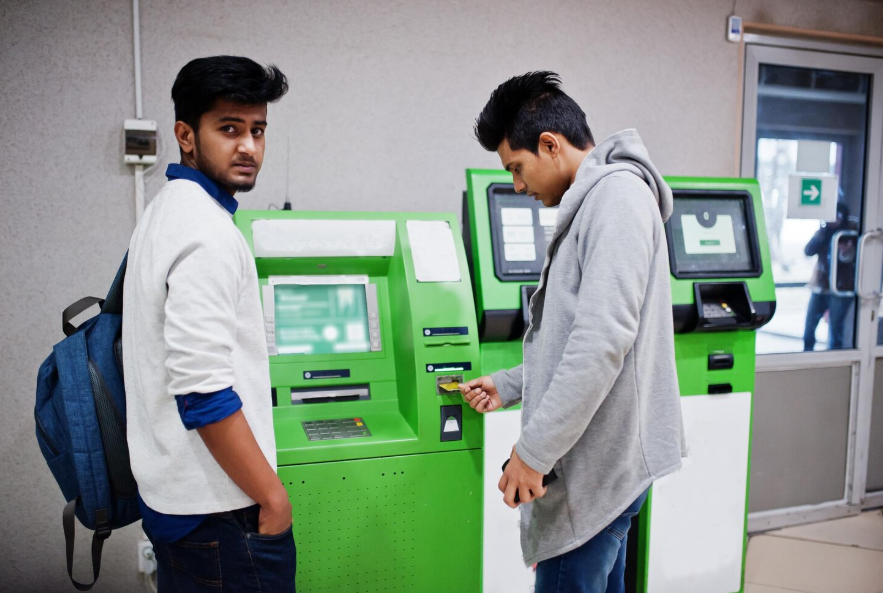
Modern Banking Solutions That Make Finance Easy and Efficient
Introduction Banking plays a central role in managing finances, supporting businesses, and enabling personal and economic growth. Modern banking solutions offer convenience, security, and accessibility that simplify financial management. From digital platforms to traditional services, banks provide tools that help individuals and organizations save, invest, and conduct transactions efficiently. Understanding the benefits of modern banking highlights its importance in everyday life and long term planning. Digital Banking and Convenience The rise of digital banking has transformed the way people manage their money. Online platforms and mobile applications allow customers to check balances, transfer funds, pay bills, and monitor accounts anytime and anywhere. This convenience reduces the need to visit physical branches and saves time for busy individuals. Digital banking solutions also provide alerts and notifications that keep users informed and in control of their finances. Security and Reliability Modern banking prioritizes security through advanced encryption, authentication methods, and fraud detection systems. These measures protect personal and financial information from unauthorized access. Banks also offer secure payment options, ensuring that transactions are reliable and trustworthy. Knowing that funds and data are protected allows customers to conduct financial activities confidently. Supporting Personal Finance Banks provide tools and services that help individuals manage their finances effectively. Savings accounts, checking accounts, and investment options allow users to plan for short term needs and long term goals. Budgeting tools, financial advice, and educational resources offered by banks enable better decision making and promote responsible money management. Effective use of these services fosters financial stability and growth. Facilitating Business Growth Banking solutions support businesses by providing loans, credit lines, and merchant services that enable expansion and operations. Access to financial resources helps businesses invest in equipment, hire employees, and explore new markets. Efficient banking services also simplify payroll management, invoicing, and cash flow tracking. Reliable banking infrastructure is essential for business success and economic development. Investment Opportunities Modern banks offer a variety of investment opportunities that allow individuals to grow wealth and plan for the future. Stocks, bonds, mutual funds, and retirement accounts provide options for both conservative and aggressive strategies. Banks often provide guidance and tools to help customers understand risks and benefits, ensuring informed investment decisions. Access to these opportunities encourages long term financial growth. Accessibility and Inclusion Modern banking strives to be inclusive by providing services to diverse populations. Online platforms, mobile banking, and community branches make financial services accessible to urban and rural areas alike. This accessibility enables more people to participate in the economy, save money, and plan for financial security. Banking inclusion contributes to personal empowerment and social development. Innovation and Technology Technological innovations continue to shape the banking sector. Contactless payments, digital wallets, automated customer support, and artificial intelligence enhance user experience and efficiency. Banks are adopting tools that streamline processes, reduce waiting times, and simplify transactions. Innovation ensures that banking services evolve to meet the changing needs of customers. Planning and Financial Management Using banking solutions effectively supports better financial planning and management. Setting goals, tracking spending, and monitoring accounts regularly helps individuals make informed decisions. Banks provide resources to assist with tax planning, budgeting, and emergency savings. Organized financial management leads to reduced stress, improved security, and long term stability. Building Trust and Confidence Reliable banking services foster trust and confidence in financial systems. Consistent support, transparent policies, and responsive customer service assure users that their finances are in safe hands. Trust in banking institutions encourages participation in financial activities, investment, and savings, contributing to overall economic stability. Conclusion Modern banking solutions make finance easy and efficient by combining convenience, security, and accessibility. They support personal finance, business growth, investment opportunities, and financial planning. Innovation and technology continue to improve user experience, while inclusive services expand access to financial tools. Effective use of banking resources enhances financial stability, confidence, and long term growth. By leveraging modern banking solutions, individuals and businesses can achieve their financial goals and enjoy a more organized and secure approach to money management.